


10 Steps in the Reverse Osmosis Water Filtration Process: An Expert Guide
Consumers are waking up to a harsh reality: municipal tap water is consistently passing through miles of decaying infrastructure, picking up heavy metals, microplastics, and unregulated chemical runoff along the way. Pouring this water through a cheap, gravity-fed carbon pitcher is a temporary illusion of safety. From our experience at Puflow, true water purification requires mechanical separation at the microscopic level. If you want to systematically strip 99.9% of total dissolved solids (TDS) from your drinking water, you must implement the Reverse Osmosis Water Filtration Process.

In most professional situations, we see homeowners and facility managers blindly purchasing water purifiers without understanding the underlying engineering. You cannot effectively maintain a system if you do not know how it protects you. A proper Reverse Osmosis Water Filtration Process is not a single filter; it is a multi-staged sequential blockade designed to aggressively separate pure H2O molecules from toxic contaminants. In this comprehensive technical guide, we break down exactly how this process operates, whether it is actually worth using for your home or business, and how to avoid the expensive mistakes novices make when upgrading their plumbing.
Quick Answer: The Reverse Osmosis Water Filtration Process
The Reverse Osmosis Water Filtration Process is an advanced multi-stage purification technique that uses household water pressure to push tap water through a semi-permeable membrane. This membrane has a pore size of 0.0001 microns.
It works sequentially: pre-filters remove large sediments and chlorine to protect the membrane, the RO membrane extracts heavy metals, fluoride, and forever chemicals (PFAS), the system flushes the toxic brine down the drain, and a post-filter polishes the water before dispensing. We recommend this process as the absolute gold standard for achieving bottled-water quality directly from your sink.
Table of Contents
What It Is: The Anatomy of Reverse Osmosis
Reverse Osmosis (RO) is a scientific principle originally developed for industrial desalination of seawater. Natural osmosis involves water moving from a lower concentration of contaminants to a higher concentration to achieve equilibrium. The Reverse Osmosis Water Filtration Process forces the exact opposite. By applying intense pressure to the contaminated feed water, the system forces H2O molecules through a microscopic membrane, leaving the concentrated contaminants behind.
At Puflow, we engineer systems that miniaturize this industrial process for residential and commercial use. When you install Under-Sink RO Systems, you are essentially installing a micro-treatment plant beneath your counter. The RO membrane is the heart of the system, but it relies entirely on the surrounding stages to function without clogging. Understanding the full Reverse Osmosis Water Filtration Process is critical for making an informed buying decision.
How It Works: 10 Steps in the Reverse Osmosis Water Filtration Process

The Reverse Osmosis Water Filtration Process is a highly synchronized operation. Here are the 10 sequential steps that transform contaminated tap water into pure hydration.
Step 1: Source Water Intake and Pressure Regulation
The process begins when water flows from your municipal supply or well into the system's intake valve. In our testing, feed pressure must be between 40 and 80 PSI for a standard system to function efficiently. The intake valve regulates this initial flow to prevent internal pipe bursts.
Step 2: Sediment Pre-Filtration (5-Micron)
Before water reaches the sensitive RO membrane, it passes through a pleated or spun polypropylene sediment filter. This stage acts as a physical net, trapping rust, dirt, sand, and pipe scale. If this step fails, large particulate matter will violently shred the delicate layers of the downstream membrane.
Step 3: Granular Activated Carbon (GAC) Filtration
Next, the water enters a carbon stage. Chlorine is the mortal enemy of a Thin Film Composite (TFC) RO membrane. The GAC filter utilizes adsorption to capture chlorine, chloramines, and volatile organic compounds (VOCs). Without this Carbon Water Filter Replacement maintained regularly, municipal chlorine will physically melt the pores of the RO membrane in a matter of weeks.
Step 4: Carbon Block Pre-Filtration (1-Micron)
For heavy-duty applications, a secondary, highly compressed carbon block filter is utilized. This serves as a fail-safe, removing any residual chemicals and finer suspended particles down to 1 micron. This ensures the water is chemically neutral before hitting the membrane.
Step 5: Pressurization (The RO Booster Pump)
While traditional tank-based systems rely solely on home water pressure, modern High-Flow RO Systems feature an internal electric booster pump. This pump aggressively forces the water up to optimal pressure (often over 80 PSI), drastically reducing wastewater and increasing the speed of purification.
Step 6: The Reverse Osmosis Membrane Separation
This is the core of the Reverse Osmosis Water Filtration Process. The pressurized water is pushed against the TFC membrane. With a pore size of 0.0001 microns, only pure water molecules can squeeze through. Dissolved solids like lead, arsenic, fluoride, radium, and microplastics are mechanically rejected. A high-quality RO600 Replacement Filter membrane will reject up to 99% of these toxins.
Step 7: Brine (Wastewater) Discharge
The contaminants rejected by the membrane cannot simply stay inside the housing; they would immediately clog it. A restrictor valve flushes these concentrated toxins—known as brine or wastewater—down your sink drain. This flushing action actively cleans the membrane during operation.
Step 8: Storage Accumulation or Direct Flow
In older systems, the purified water drips slowly into a pressurized holding tank. However, from our experience, tanks breed bacteria over time and take up massive cabinet space. Modern systems utilize tankless direct-flow technology, pushing water immediately to the faucet on demand.
Step 9: Post-Carbon Polishing
Even pure water can pick up slight tastes from storage tanks or internal tubing. Before leaving the system, the water passes through a final post-carbon filter. This "polishing" stage ensures the water tastes exceptionally crisp and clean.
Step 10: Remineralization and Final Delivery
Because the Reverse Osmosis Water Filtration Process is so aggressive, it removes beneficial minerals like calcium and magnesium, leaving the water slightly acidic. Premium systems feature an alkaline remineralization cartridge that introduces healthy minerals back into the water, balancing the pH. Finally, the water is dispensed through a dedicated lead-free faucet.
Benefits of the RO Process
The benefits of investing in a premium Under Sink RO Water System are profound. First, you gain absolute control over your health. You are no longer reliant on aging municipal infrastructure to protect your family from lead leaching or forever chemicals (PFAS). Second, the culinary benefits are undeniable: coffee, tea, and cooking stocks taste significantly better when made with zero-TDS water. Finally, for commercial users, an RO system protects expensive espresso machines and ice makers from catastrophic scale buildup.
Limitations and Drawbacks
We apply commercial and practical judgment when advising clients: RO is not flawless. The primary limitation of the Reverse Osmosis Water Filtration Process is wastewater generation. Traditional systems waste up to 4 gallons of water for every 1 gallon purified. However, modern pump-assisted models from Puflow have reduced this ratio to a highly efficient 1.5:1 or 1:1. Additionally, RO systems require strict adherence to maintenance schedules. If you ignore the Replacement Filters, the system will eventually fail.
Who Should Use It
For Commercial Users and Health-Conscious Homes: Anyone relying on well water contaminated with agricultural runoff, or municipal water known to contain lead, high chlorine, or PFAS, must use an RO system. Furthermore, individuals with compromised immune systems should rely on the uncompromising barrier that an RO membrane provides. If you live in an arid environment with no stable municipal water, consider exploring an Atmospheric Water Generator as a high-tech alternative.
Who Does Not Need It
If you live in a municipality with pristine, low-TDS water (where your only complaint is a slight chlorine taste), a full Reverse Osmosis Water Filtration Process might be overkill. Stripping the water entirely only to remineralize it is unnecessary if the base water is already clean and soft. For these scenarios, we recommend Ultrafiltration (UF) systems, which filter down to 0.01 microns, removing bacteria and chlorine without creating wastewater or stripping beneficial minerals.
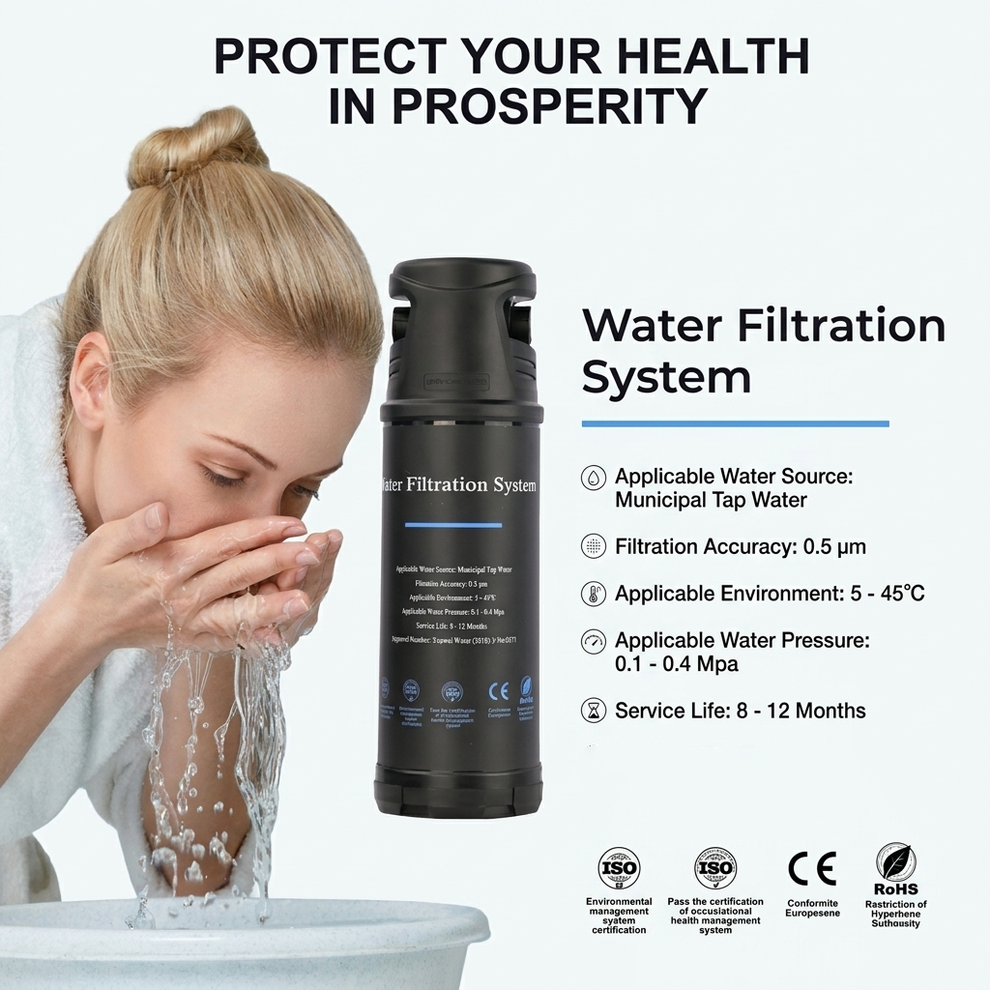
TM8-2 Under Sink Water Filter System (0.01μm Ultrafiltration)
If you do not need the aggressive purification of RO, this Ultrafiltration system is the ultimate alternative. It requires zero electricity, creates zero wastewater, and retains healthy minerals while effectively blocking cysts, bacteria, and chlorine.
- Filtration Accuracy: 0.01μm
- Flow Rate: Up to 400 L/h (High continuous flow)
- Working Pressure: 0.1–0.4 MPa
- Power Requirement: None (operates on standard line pressure)
- Installation: Compact Under-Sink configuration
Common Mistakes in Water Filtration
For beginners, the most catastrophic mistake is "set it and forget it" mentality. The pre-filters are the bodyguards of the RO membrane. If you fail to replace your carbon pre-filters every 6 to 12 months, chlorine will breach the line and destroy your expensive RO membrane permanently. Another mistake is buying a cheap, off-brand system with proprietary filters that become discontinued a year later. Always buy from an established manufacturer with a clear, long-term supply chain.
Expert Buying Considerations
When purchasing an RO system, look closely at the GPD (Gallons Per Day) rating. A 50 GPD system uses a tank and fills incredibly slowly. For modern homes, we recommend upgrading to a tankless 600 GPD or 800 GPD system, like the C9 Pro RO Water Purifier. Tankless systems save cabinet space, eliminate the risk of secondary bacterial contamination in a storage tank, and provide a fast, continuous flow of purified water directly to your glass.
Comparison and Summary Tables
Pros and Cons: The Reverse Osmosis Water Filtration Process
| Pros | Cons |
|---|---|
| Removes 99.9% of total dissolved solids, heavy metals, and PFAS. | Generates wastewater during the purification cycle. |
| Eliminates reliance on expensive and environmentally damaging single-use plastic water bottles. | Removes beneficial minerals (requires remineralization stage). |
| Protects high-end appliances (coffee makers, ice machines) from destructive scale buildup. | Requires strict adherence to filter replacement schedules to avoid membrane failure. |
| Improves the taste, odor, and clarity of drinking water immensely. | Tankless high-flow units require an under-sink electrical outlet to power the booster pump. |
Comparison: Reverse Osmosis vs. Ultrafiltration vs. Carbon Pitchers
| Filtration Method | Filtration Accuracy | Removes Heavy Metals/TDS? | Creates Wastewater? | Best Application |
|---|---|---|---|---|
| Reverse Osmosis (RO) | 0.0001 Microns | Yes (99% rejection) | Yes | Homes with hard water, well water, or severe chemical contamination. |
| Ultrafiltration (UF) | 0.01 Microns | No (Leaves minerals and TDS intact) | No | Clean municipal water lacking heavy metals, focusing on bacteria and chlorine removal. |
| Standard Carbon Pitcher | 10-50 Microns | No | No | Basic odor and taste improvement; not suitable for true purification. |
Expert Recommendation
Is the Reverse Osmosis Water Filtration Process actually worth using, buying, or upgrading to? Emphatically, yes. From our experience, the long-term health benefits of removing microplastics, pharmaceutical runoff, and heavy metals from your daily hydration vastly outweigh the initial equipment cost. We recommend abandoning outdated, bulky tank systems. For heavy-duty applications and large households, upgrade immediately to a high-capacity, pump-assisted tankless RO system. It is the most practical commercial judgment you can make for your facility or home plumbing infrastructure.
Frequently Asked Questions
Yes, absolutely. While RO water is stripped of minerals, humans get the vast majority of their required dietary minerals (calcium, magnesium) from food, not water. However, for improved taste and pH balance, we recommend using an RO system that includes a remineralization stage.
In most professional situations, the sediment and carbon pre-filters must be replaced every 6 to 12 months to protect the membrane. The primary RO membrane itself typically lasts 2 to 3 years, depending on your local water hardness and TDS levels.
The Reverse Osmosis Water Filtration Process requires wastewater to flush rejected contaminants away from the membrane. If the system drains constantly even when the tank is full, you likely have a failed auto-shutoff valve or insufficient feed water pressure.
Traditional tank-based systems operate purely on line pressure and do not require electricity. However, modern high-flow, tankless systems utilize an internal booster pump to force water through the membrane rapidly. These superior units do require a standard 110V/220V under-sink outlet.
To ensure our engineering standards align with national health protocols, Puflow references guidelines from the following authoritative bodies regarding the Reverse Osmosis Water Filtration Process:
- Environmental Protection Agency (EPA): Federal guidelines and National Primary Drinking Water Regulations detailing maximum contaminant levels. View EPA Standards
- Centers for Disease Control and Prevention (CDC): Public health assessments validating Reverse Osmosis for the removal of lead, arsenic, and harmful pathogens. View CDC Water Filtration Guidelines
- NSF International: Independent certification organization responsible for the NSF/ANSI 58 standard, which dictates the performance and material safety requirements specifically for Reverse Osmosis systems. View NSF RO Standards