


5 Chemicals Are Best for RO Membrane Cleaning
Operating a reverse osmosis system efficiently requires more than just pushing water through a semi-permeable barrier under high pressure. Eventually, mineral scaling, biological fouling, and organic matter will blind the microscopic pores of the polyamide layer. When normalized permeate flow drops by 10% or the differential pressure increases by 15%, you are losing money. At this exact threshold, facility managers and water treatment engineers must ask: what chemicals are best for RO membrane cleaning to restore flow without permanently degrading the membrane?

From our experience engineering advanced filtration technology at Puflow, using the wrong chemical on an RO membrane is catastrophic. A poorly calculated cleaning regimen can irreversibly burn the delicate rejection layer, turning a highly efficient filtration plant into an expensive leak. You cannot rely on generic degreasers or household bleach. In this definitive guide, we take a clear, uncompromising position on the exact chemical formulations required to dissolve specific foulants. We will break down the precise low-pH and high-pH agents, explain exactly how to deploy them, and clarify whether attempting a chemical clean is actually worth the time and risk for your specific application.
Quick Answer
Deciding which chemicals are best for RO membrane cleaning depends entirely on the type of fouling blocking the membrane. The top five essential chemicals are: 1. Citric Acid (Low pH for mild inorganic scaling), 2. Hydrochloric Acid (HCl) (Low pH for severe calcium carbonate scaling), 3. Sodium Hydroxide (NaOH) (High pH for biological and organic fouling), 4. Sodium Dodecyl Sulfate (SDS) (High pH surfactant for heavy biofouling), and 5. EDTA (Chelating agent for stubborn sulfate scales). In most professional situations, we recommend a two-step process: always perform a high-pH cleaning to strip away organics first, followed by a low-pH acidic clean to dissolve mineral scale. Applying an acid wash to a biologically fouled membrane will permanently lock the bacteria into the membrane structure.
Table of Contents
- What It Is: RO Membrane Cleaning
- How It Works: The Chemistry of Defouling
- The 5 Best Chemicals for RO Membrane Cleaning
- Commercial Benefits of Chemical Cleaning
- Limitations and Risks
- Who Should Use Chemical Cleaning
- Who Does Not Need It (Residential Solutions)
- Common Operator Mistakes
- Crucial Buying Considerations
- Expert Recommendation
- Essential Data Tables
- The Bottom Line
- Frequently Asked Questions
What It Is: RO Membrane Cleaning
RO membrane cleaning is an engineered chemical intervention designed to strip away accumulated debris from the surface of a thin-film composite (TFC) reverse osmosis membrane. During standard operation, water is forced through the membrane, leaving dissolved solids behind. Over time, these rejected solids exceed their solubility limits and precipitate onto the membrane surface (scaling), while bacteria feed on organic matter and create a sticky biofilm (fouling). Chemical cleaning utilizes specific pH-adjusted solutions to dissolve these blockages, restoring the membrane's permeability and salt rejection rates.
How It Works: The Chemistry of Defouling
Cleaning an RO membrane is a delicate thermodynamic and chemical process. You must circulate heated chemical solutions (typically between 30°C and 35°C) across the membrane surface at a low pressure to prevent forcing the foulants deeper into the pores. The chemistry relies on extreme pH shifts.
High pH solutions (Alkaline, pH 10-12) saponify fats, break down organic molecular bonds, and dissolve the sticky extracellular polymeric substances (EPS) created by bacteria. Low pH solutions (Acidic, pH 2-4) work by dissolving hard mineral crystals—such as calcium carbonate and iron oxides—turning them back into a soluble liquid state so they can be flushed out of the pressure vessel.
The 5 Best Chemicals for RO Membrane Cleaning
If you are managing an industrial water plant, these five generic chemicals are best for RO membrane cleaning. Proprietary blends often consist of these exact ingredients marked up by 400%.
1. Citric Acid (2% Solution, pH 2.0 - 3.0)
Citric acid is the undisputed standard for low-pH cleaning. It is highly effective at dissolving calcium carbonate, iron, and manganese oxide scaling. From our experience, it is much gentler on the delicate polyamide membrane layer than harsh mineral acids. It also acts as a mild chelating agent, preventing dissolved metals from re-precipitating during the flush cycle.
2. Hydrochloric Acid (HCl) (0.2% Solution, pH 1.5 - 2.5)
For heavy-duty applications where severe, hardened calcium or magnesium scaling has occurred, citric acid may lack the necessary bite. Hydrochloric acid provides a highly aggressive, rapid dissolution of inorganic scale. However, it must be used with extreme caution. Exceeding the manufacturer's pH limits will permanently burn the membrane, destroying its salt rejection capabilities.
3. Sodium Hydroxide (NaOH) (0.1% Solution, pH 11.0 - 12.0)
Also known as caustic soda, NaOH is the backbone of high-pH organic cleaning. It aggressively attacks biological fouling, polymerized organics, and silica scale. When bacterial slime coats your membrane, sodium hydroxide dissolves the cell walls and breaks up the organic matrix, allowing it to be flushed away.
4. Sodium Dodecyl Sulfate (SDS) (0.025% Solution)
SDS is a powerful anionic surfactant. In most professional situations, treating severe biofouling requires more than just high pH. Mixing SDS into your sodium hydroxide solution lowers the surface tension of the water, allowing the caustic solution to penetrate deep beneath thick bacterial biofilms and heavy organic oils, lifting them off the membrane sheet.
5. EDTA (Ethylene Diamine Tetraacetic Acid) (1% Solution, pH 11.0)
EDTA is a heavy-duty chelating agent. It is specifically deployed to combat stubborn sulfate scales (like calcium sulfate and barium sulfate) which do not respond well to standard acid cleanings. EDTA binds to the metal ions in the scale, trapping them in a water-soluble complex that cannot re-attach to the membrane surface.
Commercial Benefits of Chemical Cleaning
For commercial users operating desalination plants, beverage manufacturing, or municipal water treatment, mastering which chemicals are best for RO membrane cleaning is a matter of financial survival. An 8-inch industrial RO element costs upwards of $600 to $1,000. A standard pressure vessel holds six of these elements. Replacing fouled membranes prematurely destroys your operational budget. Implementing a rigorous chemical cleaning protocol (Clean-In-Place or CIP) extends the functional lifespan of an RO element from 2 years to 5 or even 7 years. It also dramatically reduces the electrical costs required to run high-pressure pumps by lowering the differential pressure.
Limitations and Risks
Chemical cleaning is not a miracle cure. It has severe limitations. Every time you expose a thin-film composite membrane to extremes of pH (below 2 or above 12), you cause microscopic degradation to the polyamide rejection layer. You can only chemically clean an element a finite number of times before the salt rejection drops below acceptable limits. Furthermore, if a membrane is fouled by irreversible contaminants—such as barium sulfate or heavy silica—chemical cleaning will yield negligible results. In our testing, attempting to clean a membrane that has lost more than 30% of its normalized flow is usually a waste of labor and chemicals.
Who Should Use Chemical Cleaning
Chemical cleaning (CIP) is strictly for commercial, industrial, and municipal operators utilizing 4-inch or 8-inch industrial membrane elements. If your facility treats thousands of gallons per day, you must possess an onboard CIP skid with chemical dosing pumps, heating elements, and pH monitoring equipment. For these applications, procuring bulk chemicals is highly cost-effective.
Who Does Not Need It (Residential Solutions)
For beginners and residential users operating point-of-use systems, attempting to chemically clean an RO membrane is an absurd, dangerous waste of time. Handling concentrated hydrochloric acid or sodium hydroxide in a home kitchen is a massive safety hazard. Furthermore, residential 50 GPD to 400 GPD membranes are inexpensive and designed to be disposable.
If you notice a drop in flow rate at home, you do not clean the membrane; you simply replace it. Better yet, you upgrade to a system that automates the flushing process. For example, if you are looking for pure, hassle-free water, we highly recommend bypassing complex maintenance altogether by utilizing advanced residential tech like the C9 Pro RO Water Purifier, or ensuring you have the proper A10S Replacement Filter Set on hand.
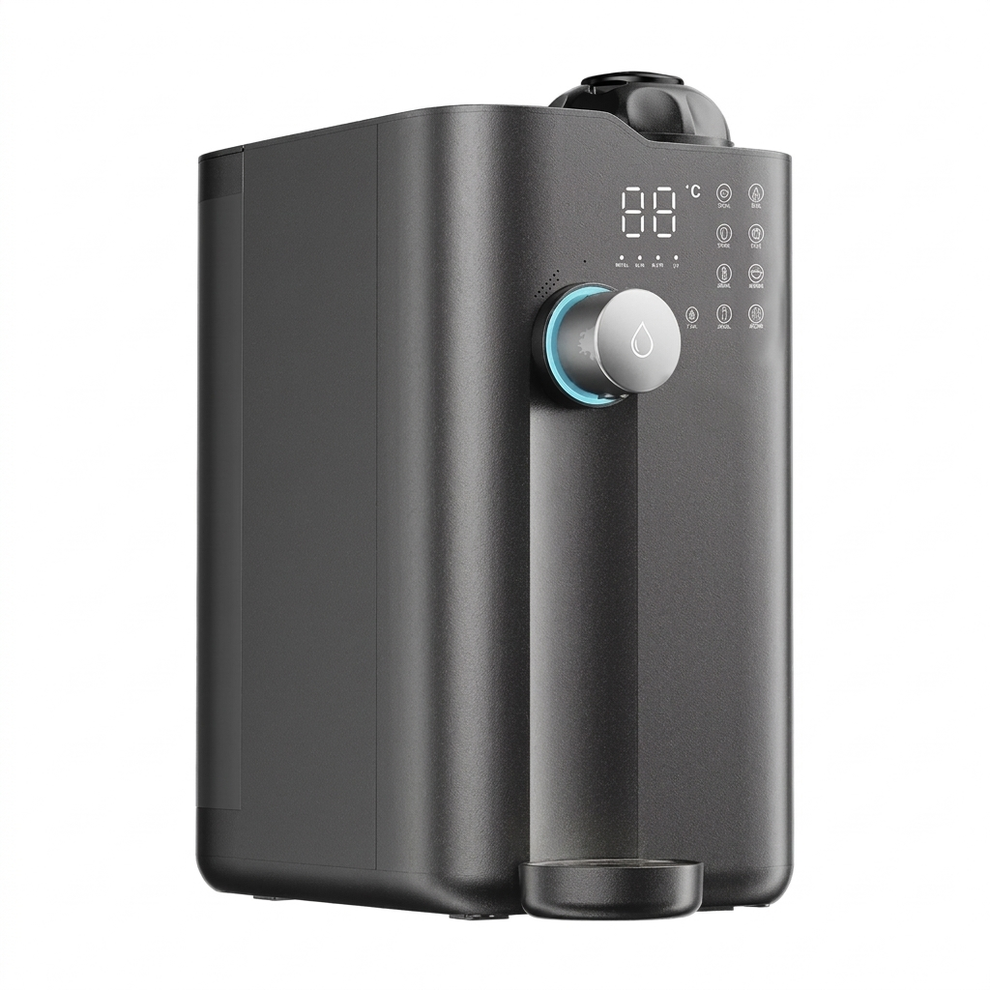
Puflow C9 Pro Hydrogen-Rich RO Countertop Water Purifier
Filtration System: Reverse Osmosis + Composite Filter
Hot Water Flow Rate: 27L/h
Special Features: Hydrogen Function & UV Sterilization
Tank Capacity: 4.2L (Perfect for Homes & Offices)
Common Operator Mistakes
The most catastrophic mistake operators make is cleaning in the wrong order. If you suspect your membrane has both organic biofouling and inorganic mineral scale, you must perform the high-pH (alkaline) cleaning first. If you introduce low-pH acid to a membrane covered in bacterial slime, the acid will instantly coagulate the organics, baking them permanently into the membrane pores.
Another profound error is cleaning too late. Once differential pressure increases by more than 15%, the foulants compress and harden against the membrane spacers, leading to "channeling," where the cleaning chemicals simply bypass the blocked areas entirely.
Crucial Buying Considerations
When sourcing your cleaning chemicals, purity is paramount. Purchasing low-grade industrial acid often introduces heavy metal contaminants directly into your pressure vessels. You must specify membrane-grade or high-purity chemicals. Furthermore, evaluate whether a pre-formulated proprietary blend makes more commercial sense than mixing raw chemicals on-site. While raw chemicals (like generic Citric Acid or NaOH) are drastically cheaper, proprietary blends often contain specialized buffers and surfactants that prevent accidental pH spikes, protecting your multi-thousand-dollar membrane investment.
Expert Recommendation
If you are running an industrial plant, we recommend maintaining an inventory of Citric Acid and Sodium Hydroxide as your primary defense line. Conduct your cleanings dynamically—monitor the pH of the cleaning solution as it returns to the CIP tank. If the pH drops significantly during an alkaline clean, the chemical is being consumed by the foulant. You must dose more chemical to maintain the pH at 11.5 to ensure the biological matter is fully dissolved.
For non-industrial environments, such as luxury residential homes or small offices, abandon chemical cleaning entirely. Rely on high-capacity cartridge replacements or alternative pure-water generation technologies like the G10 Atmospheric Water Generator or an efficient M8-2 Under Sink Water Filter.
Essential Data Tables
| Chemical Agent | Target Foulant | pH Level |
|---|---|---|
| Citric Acid | Calcium Carbonate, Iron, Metal Oxides | Low (2.0 - 3.0) |
| Hydrochloric Acid (HCl) | Severe Inorganic Scaling | Very Low (1.5 - 2.5) |
| Sodium Hydroxide (NaOH) | Biofouling, Silt, Organics, Silica | High (11.0 - 12.0) |
| SDS (Surfactant) | Heavy Oils, Grease, Thick Biofilms | High (Add to NaOH) |
| EDTA | Sulfate Scales (Calcium/Barium Sulfate) | High (11.0) |
| Specification | Low-pH Acidic Clean (Citric/HCl) | High-pH Alkaline Clean (NaOH) |
|---|---|---|
| Primary Function | Dissolves hard mineral crystals and metal oxides. | Saponifies fats, dissolves bacterial cell walls. |
| Order of Operation | Step 2 (Always done last). | Step 1 (Always done first to clear organics). |
| Temperature Range | 30°C to 35°C (Higher temps accelerate acid attack). | 35°C to 40°C (Warm temps drastically aid fat breakdown). |
| Strategy | Pros | Cons |
|---|---|---|
| Chemical CIP | Massive cost savings for industrial plants; restores 90% of flow. | Requires hazardous chemical handling, specialized equipment, and plant downtime. |
| Direct Replacement | Instant 100% restoration of baseline performance; zero chemical risk. | Astronomical capital expenditure for large arrays; environmentally wasteful. |
| Your Water Source Issue | Required Cleaning Action | Recommended Chemical Buy |
|---|---|---|
| High Hardness (Well Water) | Aggressive mineral dissolution | Bulk Citric Acid or HCl |
| High Organics (Surface/River Water) | Heavy bio-slime removal | NaOH blended with SDS Surfactant |
| High Sulfate Content | Chelating locked-in scale | EDTA (Tetrasodium salt) |
| Residential POU System | Do Not Chemically Clean | Buy Carbon Water Filter Replacement or new RO element. |
The Bottom Line
Understanding exactly which chemicals are best for RO membrane cleaning separates competent plant operators from those hemorrhaging operational budgets. For heavy-duty industrial applications, relying on a strategic, two-step Clean-In-Place methodology using Sodium Hydroxide to strip organics, followed by Citric Acid to dissolve scale, is non-negotiable for maximizing asset lifespan. Do not wait until your differential pressure skyrockets to attempt a rescue clean. However, if you are a residential consumer looking for pure drinking water, leave the harsh chemicals to the industrial sector. Upgrade your home with highly efficient, low-maintenance hardware from Puflow, simply replace your filters on schedule, and enjoy zero-risk hydration.
Frequently Asked Questions
Can I use bleach to clean my RO membrane?
Absolutely not. Standard thin-film composite (TFC) polyamide membranes have virtually zero tolerance for chlorine or oxidizing agents like bleach (Sodium Hypochlorite). Introducing bleach to your RO membrane will instantly burn the active layer, destroying its ability to reject salts and effectively ruining the element permanently.
How often should commercial RO membranes be chemically cleaned?
In most professional situations, industrial RO membranes should be cleaned when you observe one of three triggers: a 10% decrease in normalized permeate flow, a 10% decrease in normalized salt rejection, or a 15% increase in differential pressure. Depending on feed water quality, this typically occurs every 3 to 6 months.
Why must I perform a high-pH cleaning before a low-pH cleaning?
If your membrane has biological fouling or organic matter, low-pH acids will react with the proteins and organics, coagulating them into an irreversible, hardened tar-like substance inside the membrane pores. You must always use a high-pH alkaline cleaner first to dissolve and flush out the organics before applying acid to target the underlying mineral scale.
Authoritative Industry References
- U.S. Environmental Protection Agency (EPA): Guidelines on water treatment plant operations, membrane filtration technologies, and the handling of hazardous cleaning chemicals in municipal facilities. Review EPA Guidelines
- American Water Works Association (AWWA): Technical resources and peer-reviewed journals detailing the efficacy of CIP (Clean-In-Place) procedures and membrane fouling mitigation strategies. Explore AWWA Research
- Water Quality Association (WQA): Standards for residential and commercial water treatment equipment, including the maintenance and replacement protocols for reverse osmosis systems. Access WQA Standards