


6 Places to Buy Culligan RO Replacement Filters (And Why You Should Upgrade)
Reverse osmosis remains the absolute gold standard for residential and commercial water purification. For decades, Culligan has been a household name in this space, heavily dominating the under-sink and whole-house market. However, if you own a legacy Culligan reverse osmosis system—such as the widely installed Aqua-Cleer or AC-30 models—you already understand the harsh reality of their business model. Securing replacement parts is a frustrating, intentionally difficult, and needlessly expensive endeavor. Culligan built its empire on proprietary filter manifolds and strict dealer-exclusive servicing, effectively locking consumers into a closed, high-cost ecosystem.

In today's highly competitive filtration market, you are no longer forced to pay exorbitant franchised dealer fees just to maintain the safety of your family's drinking water. From our experience engineering and servicing advanced water purification technologies at Puflow, we know exactly how to navigate this restrictive landscape. We will explain not only where you can find authentic and high-quality compatible cartridges to keep your legacy equipment running, but we will also aggressively evaluate whether it is actually worth continuing to invest in an aging proprietary system when monumentally superior technology is readily available.
Quick Answer: Where Should You Buy Culligan Replacement Filters?
If you absolutely must buy Culligan RO replacement filters to keep your legacy system operational, you have six primary options. For a guaranteed OEM (Original Equipment Manufacturer) fit and full-service installation, relying on local Culligan Authorized Dealers is the most reliable, though undoubtedly the most expensive, route. For commercial users or homeowners eager to save significant capital by performing their own maintenance, specialized online retailers like DiscountFilterStore and third-party aftermarket manufacturers like ESP Water Products offer high-quality compatible filter kits for models like the AC-30 at a fraction of the cost. You can also find a limited inventory of consumer-grade models at big-box home improvement stores such as The Home Depot or Lowe's, as well as on major online marketplaces like Amazon.
However, if you are spending upward of two hundred dollars a year on outdated proprietary filters, we strongly urge you to evaluate the long-term financial drain. In most professional situations, abandoning the legacy equipment and upgrading to a modern, tankless system like the Puflow A9-600 provides vastly superior flow rates, lower ongoing maintenance costs, and completely eliminates the frustration of proprietary filter lock-in.
What It Is: The Culligan Proprietary Trap
Culligan reverse osmosis replacement filters are highly specialized cartridges designed strictly to fit into the uniquely molded filter housings of Culligan-branded drinking water systems. Unlike standard 10-inch drop-in filters utilized by the vast majority of the global water treatment industry, Culligan engineered their systems with proprietary connection heads, split-block designs, and highly specific O-ring placements. For example, replacing the media in the popular Culligan AC-30 system requires a specialized 5-micron sediment filter, a split carbon pre-filter, a precisely scaled 36 Gallon Per Day (GPD) thin-film composite membrane, and a specific inline granular activated carbon post-filter.
Because the manifold connections are deliberately unique, you cannot simply walk into a standard plumbing supply house and purchase a generic universal filter. You must buy either an OEM Culligan-branded filter or a precisely reverse-engineered aftermarket compatible filter designed to mimic the exact structural dimensions of the Culligan housing. This intentional lack of interoperability is designed to ensure recurring revenue for the manufacturer.
How It Works: The Filtration Mechanics
Despite the restrictive plastic housings, the internal filtration mechanics of a Culligan RO system operate on the exact same fundamental physics as any standard reverse osmosis unit. The purification process is divided into rigid stages to protect the delicate semi-permeable RO membrane and polish the final drinking water.
First, the source water passes through a 5-micron sediment pre-filter, which acts as a physical barrier to trap suspended particulate matter, dirt, and rust. Next, a densely packed carbon block pre-filter adsorbs chlorine, chloramines, and volatile organic compounds (VOCs) that would otherwise rapidly oxidize and destroy the thin-film composite membrane. The water is then forced under high municipal pressure through the RO membrane itself. This membrane acts as a molecular bouncer, rejecting dissolved solids, heavy metals like lead and arsenic, and microscopic impurities down to an astonishing 0.0001 microns. Finally, the purified water is stored in a pressurized holding tank. When you open your dedicated drinking water faucet, the water is pushed out of the tank and through a final inline carbon post-filter, which scrubs away any residual odors or stale tastes picked up during tank storage. To keep this entire process functioning safely and efficiently, the pre-filters and post-filters must be replaced every six to twelve months, while the delicate RO membrane typically requires replacement every two to three years.
The 6 Best Places to Buy Culligan RO Replacement Filters
When the flow rate drops or your maintenance schedule dictates it is time to service your system, you have six distinct sourcing channels. You must critically weigh the balance of cost, convenience, and authenticity before spending your capital.
1. Official Culligan Authorized Dealerships
The most traditional, albeit painful, route is contacting your local franchised Culligan dealer. This guarantees that you are receiving brand-new, factory-sealed OEM filters with zero compatibility issues. The primary advantage here is white-glove service; dealers will typically dispatch a certified technician to your home to sanitize the housings, check the pressurized tank for optimal PSI, and replace the filters for you. The glaring disadvantage is the astronomical cost. You are paying a massive premium for the brand name, vehicle travel time, and skilled labor.
2. Specialized Online Water Filter Distributors
Websites dedicated entirely to the science of water filtration, such as DiscountFilterStore, carry vast, highly organized inventories of both OEM Culligan products and high-quality aftermarket alternatives. These platforms are exceptional for technically inclined homeowners who want to perform the filter changes themselves. You can frequently find direct replacements for retail systems like the EZ-Change series, or the US-600A undersink systems, at highly competitive price points without the dealer markup.
3. Third-Party Aftermarket Specialty Manufacturers
Over the years, engineering companies like ESP Water Products and ReverseOsmosis.com have successfully reverse-engineered the proprietary connections of legacy Culligan systems to offer fully compatible, high-performance replacement kits. In our testing, these third-party filters often utilize high-activity coconut shell carbon blocks and advanced binder technology that meets or exceeds the original equipment specifications. Purchasing a complete AC-30 compatible kit from an aftermarket manufacturer can realistically reduce your annual maintenance bill by up to fifty percent without sacrificing an ounce of water quality.
4. Big Box Home Improvement Stores
Major retail behemoths like The Home Depot and Lowe's carry a curated selection of Culligan replacement filters. However, their on-shelf inventory is generally limited to the more modern, consumer-facing EZ-Change systems, universal inline refrigerator filters, and whole-house spun polypropylene drop-ins. If you own an older proprietary RO system, you will rarely find the exact 36 GPD membrane or the specific split-carbon block you need on a hardware store shelf. It is a gamble of convenience.
5. Major E-Commerce Marketplaces (Amazon / eBay)
The massive e-commerce platforms offer unparalleled convenience and rapid shipping logistics. A quick search will reveal dozens of vendors selling Culligan-compatible filters. However, this channel requires extreme, uncompromising caution. The marketplace is utterly flooded with cheap, uncertified knock-offs imported by fly-by-night sellers. Many of these counterfeit filters use inferior, low-density carbon media that fails to adequately adsorb chlorine, ultimately leading to the rapid, premature destruction of your expensive RO membrane.
6. Independent Local Plumbing & Water Treatment Specialists
Many independent, non-franchised water treatment professionals maintain stock of aftermarket compatible filters for major brands, including Culligan. Developing a relationship with an independent local specialist allows you to secure expert maintenance, tank repressurization, and sanitization services without being subjected to the rigid, inflated pricing structures of a franchised corporate dealership.
The Benefits of Maintaining Your Equipment
The primary benefit of securing high-quality replacement filters—whether OEM or reputable third-party—is the absolute preservation of your family's health and the operational longevity of your equipment. Timely replacement of the sediment and carbon pre-filters ensures that destructive municipal chlorine never breaches the RO membrane. When you consistently buy Culligan RO replacement filters on a strict schedule, you maintain optimal water pressure at the faucet, drastically reduce the volume of wastewater sent down the drain, and ensure that your system continually rejects up to 99 percent of dissolved dangerous contaminants.
The Limitations: The Reality of the Proprietary Trap
The glaring, unavoidable limitation of the Culligan RO ecosystem is the proprietary design trap. Because the filter manifolds are unique to the brand, you are denied the freedom to shop the open, competitive market for standard 10-inch universal filter cartridges. This lack of interoperability artificially inflates the total cost of ownership over the lifespan of the appliance. Furthermore, legacy systems utilizing rubber-bladder storage tanks suffer from agonizingly slow recovery rates, often taking hours to refill a small three-gallon tank once it has been depleted during heavy cooking or filling large pots. In our testing, we have definitively found that the long-term financial burden of maintaining these proprietary systems often vastly eclipses the cost of simply buying a brand-new, technologically superior water purification appliance.
| Feature Metric | Legacy Culligan AC-30 System | Modern Puflow A9-600 Tankless RO |
|---|---|---|
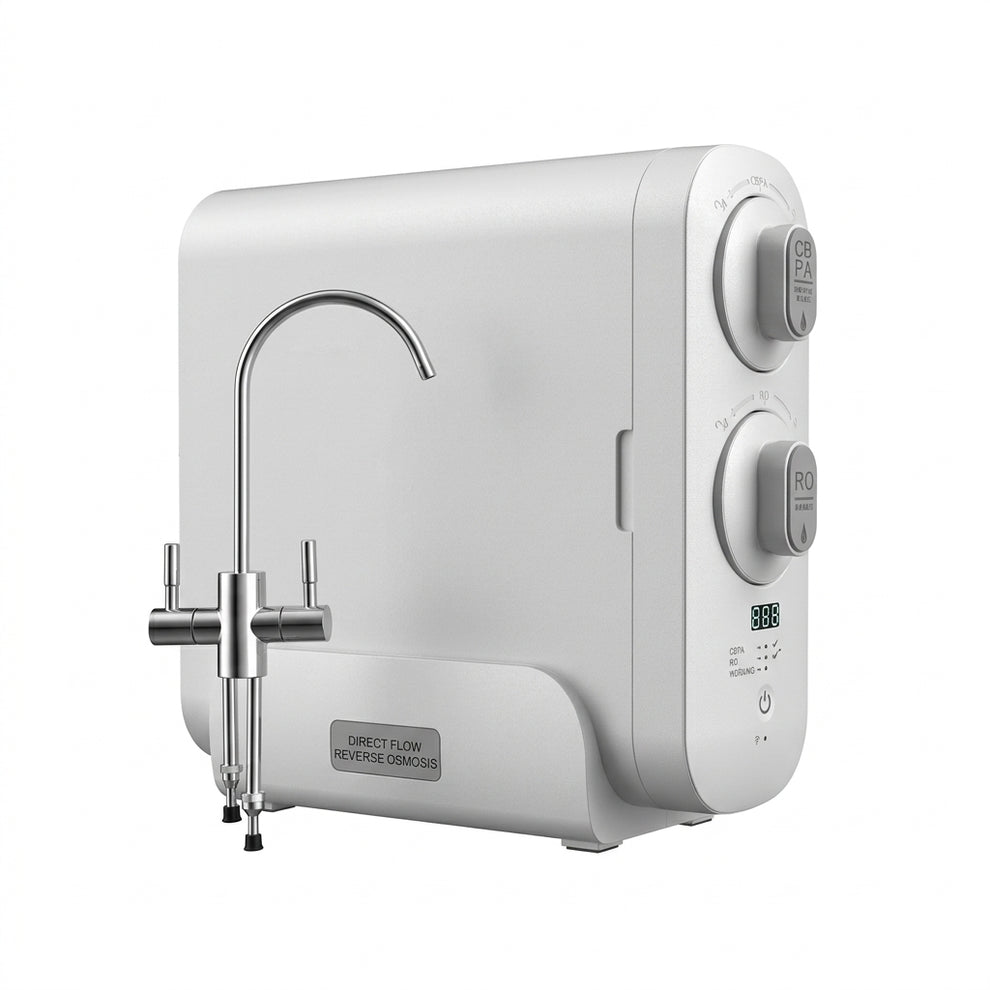
| Daily Production Capacity | 36 Gallons Per Day (GPD) | 600 Gallons Per Day (GPD) |
| Water Storage Method | Requires a bulky, pressurized storage tank that consumes cabinet space. | Tankless direct-flow; produces fresh water instantly on demand. |
| Wastewater Ratio | Often 3:1 or 4:1 (High environmental waste). | 1.5:1 (Highly efficient environmental profile). |
| Filter Replacement Cost | High (Proprietary monopoly pricing). | Transparent, highly competitive pricing without dealer lock-in. |
Who Should Use It & Who Does Not Need It
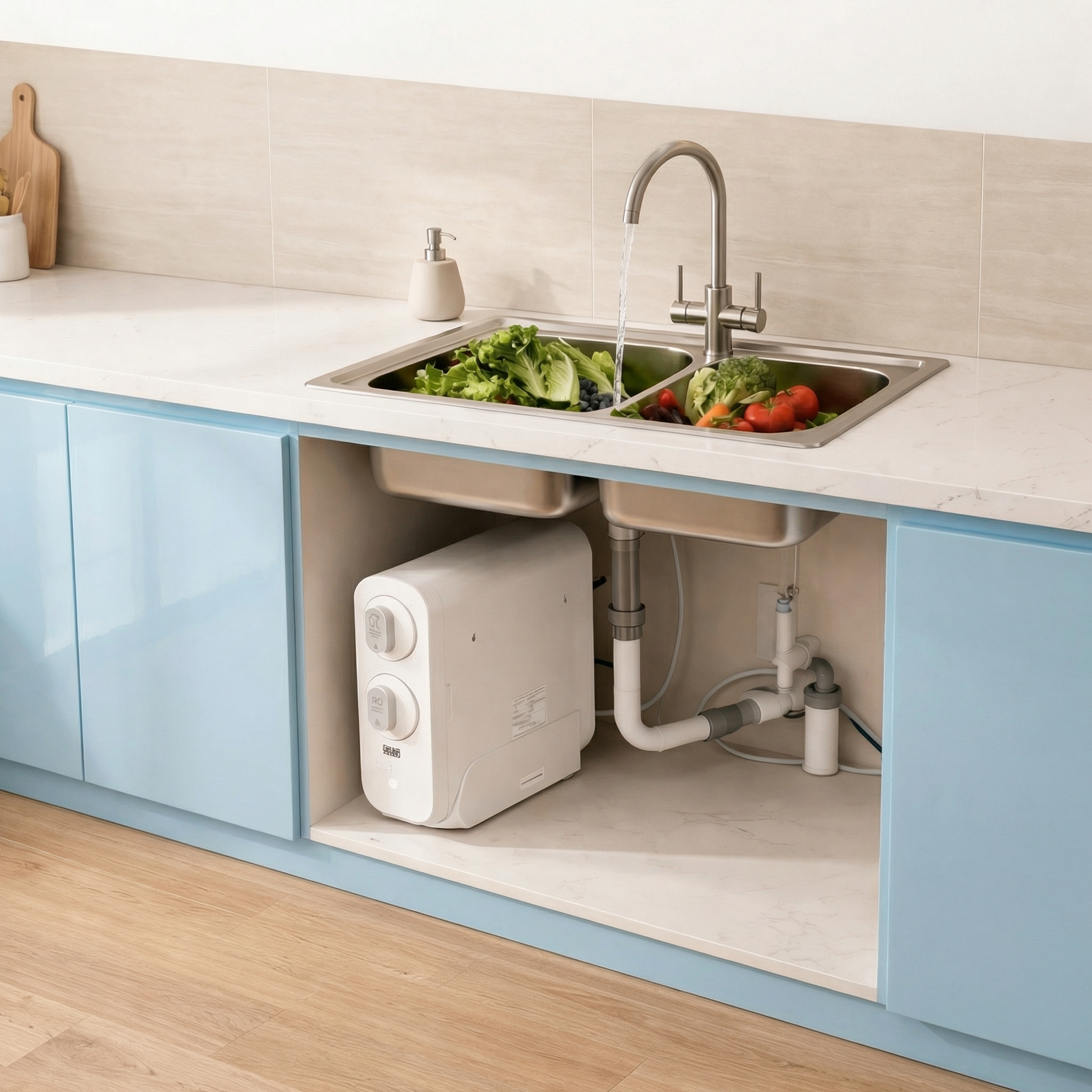
For commercial users and renters: If you are currently leasing your Culligan system or if your heavy-duty equipment is still under a comprehensive factory warranty, you must continue to buy Culligan RO replacement filters exclusively through authorized channels to avoid voiding your service contract. Additionally, homeowners who possess absolutely no mechanical inclination and prefer a completely "hands-off" approach will benefit from the premium, full-service maintenance provided by local dealerships.
Who does not need it: If you own your Culligan system outright and the plastic manifold is more than five to seven years old, you absolutely do not need to remain trapped in this expensive cycle. As plastic filter housings age under constant municipal water pressure, they become brittle and highly susceptible to catastrophic micro-leaks. For individuals seeking significantly higher daily water production, vastly reduced wastewater ratios, and the financial freedom of transparently priced Replacement Filters, abandoning the legacy system is the smartest, most practical financial decision you can make.
Common Mistakes in Procurement and Maintenance
When consumers attempt to bypass the dealer to save money, they frequently make critical, system-destroying errors. The most common mistake for beginners is routinely replacing the cheap pre-filters but entirely ignoring the RO membrane. Even the highest quality carbon block cannot protect a membrane indefinitely; failing to replace the 36 GPD membrane every two to three years will result in a drastic spike in Total Dissolved Solids (TDS) breaching your drinking water, rendering the entire system useless.
Another frequent error is purchasing the wrong architectural style of filter. Culligan has produced dozens of incompatible models over the decades. Buying a generic EZ-Change cartridge when your specific manifold requires an AC-30 split-block will leave you with a useless piece of plastic, wasted money, and a dismantled plumbing system under your kitchen sink.
Crucial Buying Considerations
When you set out to buy Culligan RO replacement filters, you must execute a thorough audit of your equipment and your supplier. Use the following buying guide table to inform your purchasing decision, ensuring you do not waste capital on incompatible parts.
| Consideration Factor | What to Look For | Why It Matters |
|---|---|---|
| System Model Verification | Locate the exact model number (e.g., AC-30, LC-50, EZ-4) printed on the manifold casing. | Culligan filters are not cross-compatible between different model lines. The wrong filter simply will not seal properly, leading to severe under-sink flooding. |
| OEM vs. Compatible Sourcing | Decide between genuine Culligan parts or certified aftermarket brands (like ESP Water). | Aftermarket parts save significant money, but you must verify they meet NSF/ANSI standards for material safety to prevent chemical leaching. |
| Membrane GPD Capacity | Check your current membrane's Gallons Per Day (GPD) rating (typically 36 GPD or 50 GPD). | Installing a membrane with a different flow rate requires physically changing the flow restrictor on the drain line to prevent rapid membrane fouling and failure. |
| System Sanitization Needs | Determine if you need to purchase food-grade O-ring silicone lubricant and system sanitizer. | Changing filters without aggressively sanitizing the housings and the storage tank can lead to dangerous bacterial growth and foul-tasting water. |
| Pros of Maintaining the System | Cons of Maintaining the System |
|---|---|
| Avoids the upfront capital cost of purchasing and installing a brand new RO unit. | Trapped paying premium prices for proprietary filters year after year. |
| Provides proven, reliable water purification when serviced by an authorized dealer. | Bulky storage tanks consume massive amounts of under-sink storage space. |
| High availability of aftermarket compatible parts from third-party manufacturers. | Aging plastic manifolds eventually become brittle and risk catastrophic leaking. |
| Familiarity with the existing equipment and faucet hardware. | Extremely slow recovery rates compared to modern direct-flow tankless systems. |
Expert Recommendation: Break the Proprietary Cycle
As industry practitioners who analyze water purification technology and fluid dynamics daily, our stance is uncompromising. If you have a legacy Culligan system that is still structurally sound, finding reliable places to buy Culligan RO replacement filters is entirely possible through specialized online retailers and aftermarket manufacturers. Purchasing a compatible kit from a reputable third party is a smart, economical stop-gap measure to keep an older system running for a few more years.
However, we must ask the critical question: is it actually worth continuing to pour your hard-earned money into outdated technology? In our testing, legacy tank-based systems simply cannot compete with the blistering flow rates, environmental efficiency, and sanitary profiles of modern direct-flow reverse osmosis. For commercial users and homeowners demanding high performance, we unequivocally recommend stopping the cycle of expensive proprietary filter purchases and upgrading your entire undersink infrastructure.
Instead of struggling with low water pressure and bulky, bacteria-prone storage tanks, we urge you to explore the Under-Sink RO Systems available today. Specifically, the Puflow A9-600 represents the absolute pinnacle of modern residential water purification.
For those who travel, hike, or require purified water off the grid, you can complement your home system with a rugged Portable Water Filter Bottle. And if you are exploring complete water independence for an office or off-grid home, our advanced P50 Atmospheric Water Generator literally pulls pure drinking water straight from the ambient air humidity, representing a monumental leap beyond traditional plumbing constraints. Stop settling for legacy limitations. Upgrade your water infrastructure, dramatically lower your long-term maintenance costs, and take absolute control of your health.
Frequently Asked Questions (FAQ)
Are compatible replacement filters just as good as OEM Culligan filters?
Yes, provided you exercise commercial judgment and purchase them from a highly reputable third-party manufacturer. High-quality compatible filters utilize advanced coconut shell carbon and commercial-grade thin-film composite membranes that match the exact micron ratings and contaminant reduction capabilities of the original Culligan parts. Always verify that the aftermarket filters you purchase meet rigorous NSF/ANSI material safety standards to ensure no chemical leaching occurs.
How often do I really need to change my Culligan RO filters?
For optimal system performance and water safety, the sediment and carbon pre-filters should be replaced strictly every 6 to 12 months, depending on your municipal water quality. The RO membrane itself is highly durable and typically requires replacement every 2 years. Do not ignore these timeframes; exhausted carbon blocks will allow municipal chlorine to pass through, which will rapidly and permanently destroy the expensive RO membrane.
Can I convert my Culligan system to use universal 10-inch filters?
While a highly skilled plumber could theoretically cut the existing tubing, bypass the proprietary plastic manifold, and install standard universal filter housings, the manual labor and parts required make this modification highly impractical and prone to leaking. In most professional situations, it is vastly more cost-effective and secure to simply remove the proprietary Culligan unit entirely and install a modern High-Flow RO System that is fundamentally designed from the ground up to utilize transparently priced, non-proprietary filter media.
Authoritative References & Industry Standards
To ensure our analysis of water purification technology is accurate and scientifically grounded, we reference the engineering and safety standards established by the following authoritative organizations:
- Water Quality Association (WQA): The leading voice of the residential, commercial, and industrial water treatment industry, providing rigorous certification standards for reverse osmosis membranes and carbon filtration media efficacy. Review WQA Certification Standards
- NSF International: An independent, accredited organization that tests and certifies products to protect and improve global human health, specifically defining the stringent NSF/ANSI 58 standard for reverse osmosis drinking water treatment systems. Explore NSF Water Treatment Standards
- United States Environmental Protection Agency (EPA): The federal agency responsible for protecting human health and the environment, offering comprehensive, peer-reviewed guidelines on drinking water contaminants and the mechanical efficacy of point-of-use filtration systems. Access EPA Drinking Water Guidelines