


Is RO Water Bad for the Gut? The Truth About Reverse Osmosis and Digestion
There is a persistent, fear-driven rumor circulating in health and wellness communities that drinking reverse osmosis (RO) water will systematically strip your body of minerals and destroy your gut microbiome. As professionals in the water purification industry, we hear this concern constantly. Consumers are caught between the urgent need to filter out dangerous municipal water contaminants and the paralyzing fear that highly purified water might somehow be biologically harmful.

From our experience engineering advanced filtration systems, we must address this with commercial and practical judgment. The human digestive system is remarkably resilient, but it is under assault from microplastics, heavy metals, and municipal chemical disinfectants. When we ask the question, is RO water bad for the gut, we must compare the microscopic loss of trace waterborne minerals against the massive influx of industrial toxins found in standard tap water. In this guide, we will break down the science of reverse osmosis, how it interacts with human digestion, and whether you should be modifying your home water strategy.
Quick Answer: Is RO Water Bad for the Gut?
No, RO water is not bad for the gut. The claim that demineralized reverse osmosis water harms digestion or leaches minerals from your body is a persistent myth. You obtain more than 95 percent of your daily essential minerals from the food you eat, not the water you drink. In reality, the chemicals found in unfiltered tap water—such as chlorine and chloramines, which are designed specifically to kill bacteria—are far more destructive to your sensitive gut microbiome. We recommend drinking highly purified RO water to protect your gut from industrial contaminants, and if you prefer the taste or slight pH balance of mineralized water, simply utilize an RO system equipped with a post-filtration remineralization stage.
Table of Contents
- What It Is: The Science of RO Water and Digestion
- How Reverse Osmosis Works to Protect the Gut
- The Digestive Benefits of Purified Water
- Limitations and the Mineral Myth
- Who Should Use Reverse Osmosis
- Who Does Not Need Reverse Osmosis
- Common Mistakes Water Drinkers Make
- Buying Considerations for Gut Health
- Expert Recommendation
- Frequently Asked Questions (FAQ)
What It Is: The Science of RO Water and Digestion
Reverse Osmosis (RO) water is simply water that has been forced through a semi-permeable membrane with microscopic pores. These pores are so small (typically 0.0001 microns) that they block virtually all dissolved solids, heavy metals, volatile organic compounds (VOCs), and pathogens. The result is pure H2O.
When people ask, is RO water bad for the gut, the concern usually stems from two factors: pH levels and mineral content. Because RO removes alkaline minerals like calcium and magnesium, the resulting water is slightly acidic, often sitting at a pH of around 6.0 to 6.5. Additionally, the water is effectively stripped of total dissolved solids (TDS).
However, from a biological perspective, your gut is perfectly equipped to handle this. Your stomach acid has a highly corrosive pH of 1.5 to 3.5. Drinking water with a pH of 6.0 does absolutely nothing to disrupt your digestive tract's acidic environment. Furthermore, water is a hydration vehicle, not a primary food source. Your gut microbiome feeds on dietary fiber, complex carbohydrates, and fermented foods—not the trace amounts of calcium floating in hard municipal tap water.
| Water Source | Primary Contaminants | Mineral Content | Impact on Gut Microbiome |
|---|---|---|---|
| Unfiltered Municipal Tap Water | Chlorine, Chloramines, Microplastics, PFAS | Variable (often high in hard water areas) | Negative. Disinfectants actively destroy beneficial gut bacteria. |
| Standard Bottled Spring Water | Microplastics, Phthalates (from plastic) | Moderate | Neutral to Negative (due to endocrine-disrupting plastics). |
| Reverse Osmosis (RO) Water | None (Purified) | Very Low | Positive. Eliminates toxins that trigger gut inflammation. |
| RO Water with Remineralization | None (Purified) | Optimized (Calcium/Magnesium added back) | Highly Positive. Clean hydration with improved taste and pH balance. |
How Reverse Osmosis Works to Protect the Gut
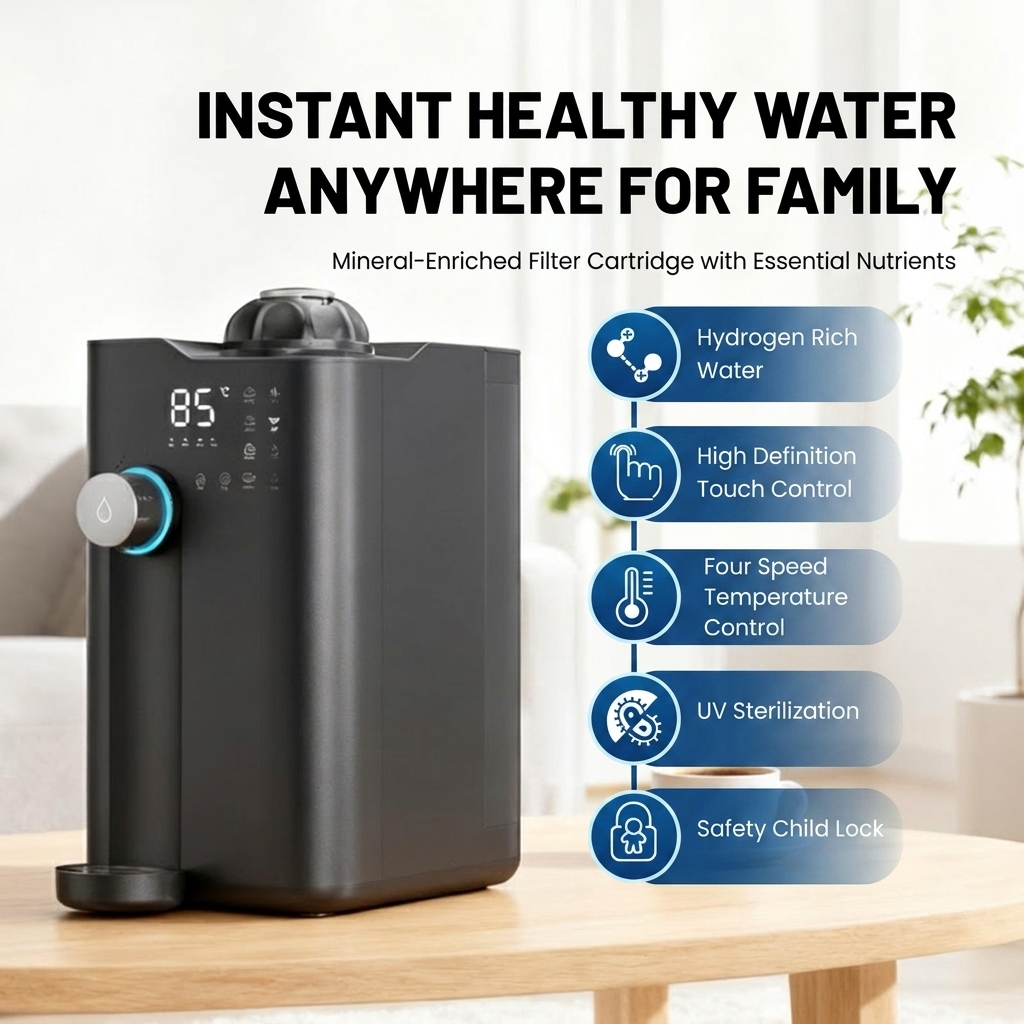
To understand why RO water is biologically superior for commercial and residential use, we must look at how the filtration staging operates. In most professional situations, a high-quality unit like the C9 Pro RO Water Purifier does not just use a single membrane. It utilizes a multi-stage approach.
First, sediment filters remove rust, sand, and dirt. Second, carbon block filters adsorb chlorine, chloramines, and agricultural pesticides. Third, the RO membrane physically rejects heavy metals like lead and arsenic, as well as pharmaceutical run-off. Finally, a post-filter polishes the water.
Consider how this mechanism protects your digestive system. Municipal water facilities dose tap water with chlorine to kill bacteria in the pipes. When you drink that water, the chlorine does not magically stop working once it enters your body. It acts as a broad-spectrum antibiotic inside your digestive tract, indiscriminately wiping out the fragile, beneficial bacteria your gut needs to digest food and regulate your immune system. By utilizing reverse osmosis to strip out these chemical disinfectants, you are actively shielding your gut microbiome from daily chemical warfare.
The Digestive Benefits of Purified Water
In our testing and industry analysis, transitioning a household to highly purified water yields immense biological and practical benefits.
Elimination of PFAS and Forever Chemicals: Polyfluoroalkyl substances (PFAS) are ubiquitous in modern tap water. These chemicals are linked to severe immune system disruption and inflammatory bowel diseases. RO membranes are one of the only recognized, reliable residential technologies capable of effectively removing PFAS, ensuring these synthetic compounds do not bioaccumulate in your digestive tract.
Protection from Parasites: Aging municipal infrastructure is prone to breaches. Microorganisms like Cryptosporidium and Giardia can survive standard chlorination and cause severe gastrointestinal distress. The 0.0001-micron pore size of an RO membrane is an impenetrable physical barrier to these cysts.
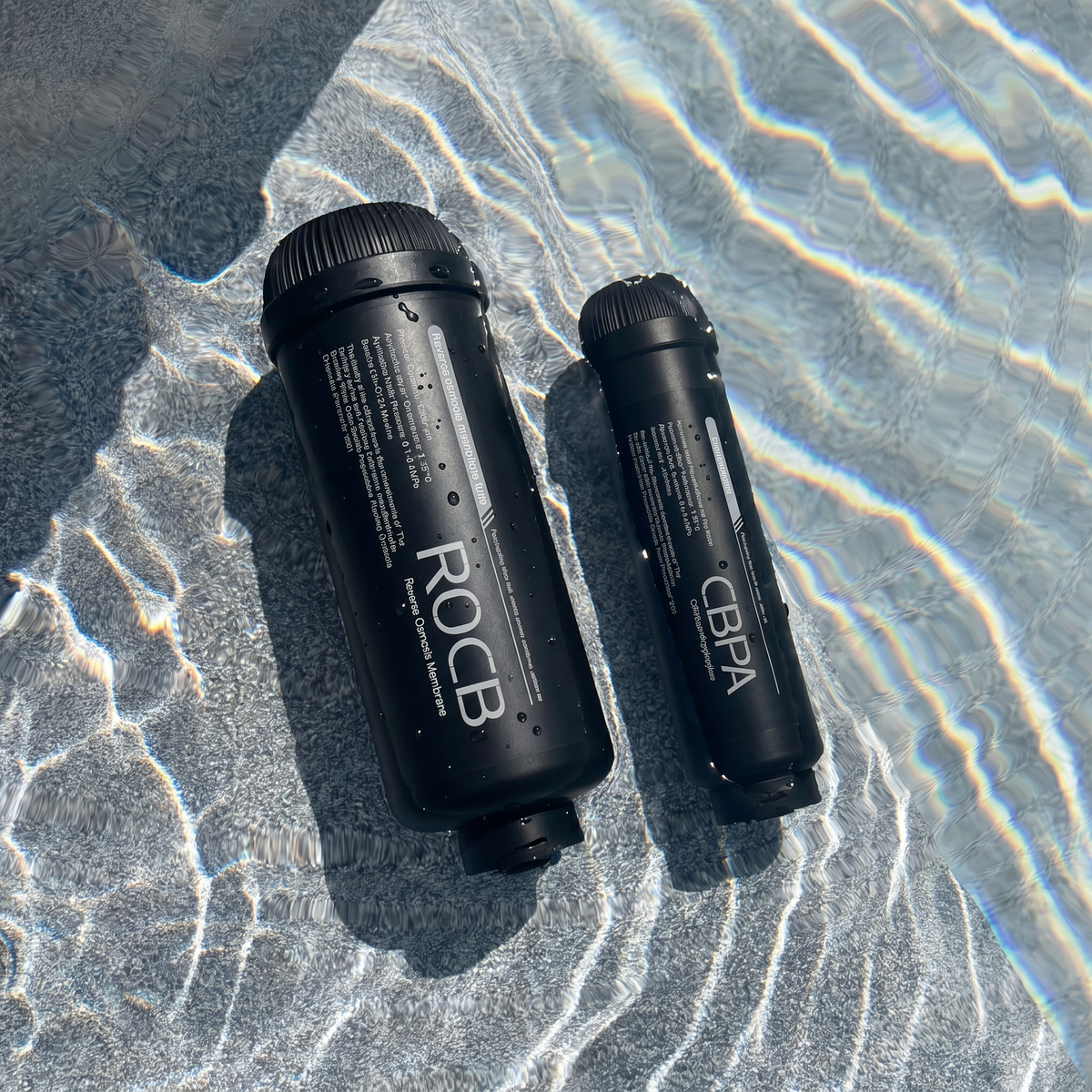
Reduced Heavy Metal Toxicity: Lead and copper from old household plumbing degrade the mucosal lining of the stomach and intestines. Utilizing a strict filtration protocol ensures these heavy metals never make it to your glass. For those who need replacement media to maintain this barrier, keeping items like the A10S Replacement Filter Set on a strict maintenance schedule is non-negotiable.
| Feature | Reverse Osmosis System | Standard Carbon Pitcher Filter |
|---|---|---|
| Contaminant Removal | Up to 99.9% of TDS, heavy metals, forever chemicals, and pathogens. | Reduces chlorine taste and odor; minimal heavy metal reduction. |
| Microplastic Removal | Excellent. Physically blocks particles. | Poor. Pores are too large to catch microplastics. |
| Gut Health Value | Very High. Total protection from digestive disruptors. | Low. Leaves majority of agricultural runoff in the water. |
| Cost Over Time | High initial investment, very low long-term operational cost. | Low initial cost, high recurring cost for frequent filter swaps. |
Limitations and the Mineral Myth
We must use commercial judgment and not ignore the valid limitations of RO water. Because reverse osmosis removes dissolved solids, the water tastes exceptionally "flat." Furthermore, the absence of alkaline minerals means the water will aggressively pull carbon dioxide from the air, dropping its pH and making it slightly acidic.
However, the idea that drinking this water will "leach" minerals from your bones or gut is biologically inaccurate for anyone consuming a standard diet. The human body maintains homeostasis through complex kidney function and bone metabolism. If you eat a handful of almonds, a serving of spinach, or a piece of cheese, you are ingesting hundreds of times more calcium and magnesium than you would ever get from drinking a gallon of hard tap water.
The only real limitation applies to individuals participating in extreme, prolonged water-only fasting. In those highly specific scenarios, the lack of electrolytes in RO water can lead to hyponatremia. For everyday hydration alongside meals, the mineral content of water is functionally irrelevant.
Who Should Use Reverse Osmosis
For commercial users: Restaurants, cafes, and food production facilities must use RO water. The consistency of purified water ensures that the volatile chemicals in local tap water do not alter the taste profiles of coffee, tea, or baked goods, nor do they upset the stomachs of patrons.
For households on municipal tap water: If you receive water from a city grid, you are consuming chlorine, fluoride, and microplastics. We highly recommend installing a robust RO system to guarantee the safety of your family's hydration. If space is at a premium, an alternative like the M8-2 Under Sink Water Filter provides exceptional multi-stage carbon filtration, though true RO is always the gold standard for total purification.
Who Does Not Need Reverse Osmosis
If you live entirely off-grid and source your water from a deeply bored, privately tested artesian well that has been laboratory certified to be free of heavy metals, agricultural runoff, and bacterial contamination, you do not need an RO system. In such pristine environments, nature has already done the filtering. However, these scenarios represent less than one percent of the modern population.
Common Mistakes Water Drinkers Make
The most frequent mistake we observe is consumers avoiding RO water out of fear, and instead buying endless cases of plastic bottled water. Not only is bottled water astronomically expensive and environmentally destructive, but studies continually show that bottled water contains thousands of microplastic particles per liter. Ingesting microplastics is definitively proven to cause inflammation in the gut lining and disrupt the microbiome.
Another common mistake is failing to change RO membrane filters on time. Even the best systems degrade if neglected. If you operate a high-yield system, you must keep components like the RO600 Replacement Filter on a strict 12-to-24-month replacement cycle to prevent bacterial fouling on the membrane itself.
| Pros | Cons |
|---|---|
| Absolute removal of gut-damaging chlorine and pesticides. | Wastes water during the purification process (brine discharge). |
| Eliminates microplastics and forever chemicals (PFAS). | Flat taste profile without remineralization. |
| Protects against heavy metal toxicity (lead, copper). | Slightly acidic pH (harmless to the gut, but undesirable to some). |
| Provides a perfectly clean base for cooking and coffee brewing. | Requires ongoing filter maintenance and upfront capital cost. |
Buying Considerations for Gut Health
When you are ready to make a buying decision to protect your digestive health, do not buy the cheapest generic system available. You must look for systems that address the "flat taste" limitation directly.
Look for an RO system that includes an alkaline or remineralization post-filter. These stages pass the purified water through a bed of natural calcium and magnesium carbonate right before it reaches your faucet. This restores the pH to a slightly alkaline level and gives the water a crisp, spring-like taste, entirely neutralizing the arguments against demineralized water.
For those looking for an innovative, heavy-duty alternative to traditional under-sink plumbing, Atmospheric Water Generators (AWGs) are a revolutionary upgrade. Devices like the F20 Atmospheric Water Generator or the higher-capacity G10 Atmospheric Water Generator extract moisture directly from the air, filter it extensively, and bypass aging municipal pipe infrastructure entirely. This is the ultimate method to ensure zero lead or groundwater contamination reaches your gut.
| User Scenario | Recommended System | Why It Fits |
|---|---|---|
| Standard Household / Renters | Countertop RO System with Remineralization | Requires zero plumbing modifications; restores healthy minerals for taste. |
| Homeowners wanting maximum convenience | Under-Sink High-Flow RO System (e.g., C9 Pro) | Hidden from view, provides on-demand high pressure pure water for cooking. |
| Areas with poor plumbing or no municipal water access | Atmospheric Water Generator (F20 or G10) | Creates pristine water from humidity in the air; entirely off-grid capable. |
Expert Recommendation
We are unambiguous in our commercial judgment: the fear that reverse osmosis water harms human digestion is a fallacy. When analyzing the question, is RO water bad for the gut, the overwhelming scientific and practical consensus is that removing industrial toxins, microplastics, and chlorine from your daily hydration is the most critical step you can take to protect your microbiome.
We recommend installing a high-quality RO system immediately if you are on municipal tap water. To satisfy both your health requirements and your palate, simply ensure the system you purchase features a remineralization stage to add trace amounts of calcium and magnesium back into the drinking water. Do not let unfounded myths regarding trace minerals expose you to the very real dangers of modern tap water contamination.
Puflow
Pure water, made simple — for everyday moments that feel lighter, cleaner, and more yours.
Frequently Asked Questions (FAQ)
Does RO water flush minerals out of your body?
No. The concept that purified water acts as a "leaching" agent inside the human body is a myth. The kidneys tightly regulate electrolyte and mineral balance in the blood. Drinking demineralized water does not cause the body to excrete excess minerals, provided you consume a normal, healthy diet.
Why does the World Health Organization (WHO) warn against demineralized water?
The WHO has historically published papers noting that communities relying entirely on demineralized water (like desalinated sea water) without adequate dietary nutrition may face mineral deficiencies. However, for individuals in developed nations eating a modern diet, water contributes an insignificant percentage of daily mineral intake compared to food. Removing contaminants is overwhelmingly more important for public health.
Can I add minerals back into my RO water?
Yes, absolutely. You can use alkaline water drops, add a pinch of high-quality Himalayan sea salt to your glass, or, most efficiently, purchase an RO system equipped with an inline remineralization cartridge that automatically adds calcium and magnesium back into the water before it reaches the tap.
Authoritative References
For further verification on water quality standards, digestive health, and municipal contaminants, please consult the following authoritative sources: