


What is Reverse osmosis water treatment how it work?
In an era where municipal water supplies are increasingly burdened by aging infrastructure, agricultural runoff, and industrial byproducts, securing a pristine source of hydration for your household is no longer a luxury. It is a fundamental necessity. Many homeowners assume that standard refrigerator filters or basic carbon pitcher filters are sufficient to protect their families. However, from our experience, these rudimentary filtration methods merely scratch the surface, often leaving behind dangerous microscopic contaminants like lead, arsenic, and per- and polyfluoroalkyl substances (PFAS). This is precisely where Reverse osmosis water treatment becomes an indispensable asset for the modern home.

Understanding the intricacies of residential water purification can feel overwhelming, but it does not have to be. We are here to demystify the science behind one of the most effective filtration technologies available today. By exploring how a Reverse osmosis water treatment system operates, you will gain the knowledge necessary to make an informed decision regarding your family's health and wellness. Whether you are browsing for a New Arrival reverse osmosis system for home or simply seeking to understand the mechanics of molecular filtration, this comprehensive guide will walk you through every aspect of Reverse osmosis water treatment.
Table of Contents
- 1. The Core Mechanics: What is Reverse Osmosis Water Treatment?
- 2. How Does a Reverse Osmosis System Actually Work?
- 3. The Primary Benefits of Upgrading to RO Filtration
- 4. Identifying the Right RO System for Your Space
- 5. Maintenance and Longevity: Protecting Your Investment
- 6. Summary Table: RO System Configurations
- 7. Frequently Asked Questions (FAQs)
- 8. Expert References and Resources
1. The Core Mechanics: What is Reverse Osmosis Water Treatment?
To fully grasp Reverse osmosis water treatment, we must first understand the natural biological process of osmosis. In nature, osmosis occurs when a weaker saline solution migrates toward a stronger saline solution through a semi-permeable membrane. Plant roots use this exact mechanism to absorb water from the soil. Nature naturally seeks equilibrium, balancing the concentration of solutes on both sides of the membrane.
Reverse osmosis water treatment flips this natural phenomenon entirely on its head. In this engineered process, we do not want equilibrium; we want complete separation. By applying significant hydrostatic pressure to the contaminated, highly concentrated side of the membrane (your standard tap water), the system forces water molecules through the microscopic pores of the semi-permeable membrane. These pores are staggeringly small—typically around 0.0001 microns in diameter. Because the pores are so minuscule, only pure H2O molecules can squeeze through. The larger dissolved solids, heavy metals, chemical compounds, and microorganisms are physically blocked and subsequently flushed away as wastewater.
We recommend Reverse osmosis water treatment because it is unequivocally one of the most comprehensive purification methods available to consumers. Unlike standard carbon filters that only trap chlorine and improve taste, Reverse osmosis water treatment physically strips the water of up to 99% of its total dissolved solids (TDS).
2. How Does a Reverse Osmosis System Actually Work?
A true Reverse osmosis water treatment system is never just a single membrane. It is a multi-stage gauntlet designed to systematically eliminate specific categories of contaminants. If tap water were to hit the RO membrane directly, the delicate pores would immediately clog with dirt and be destroyed by municipal chlorine. Therefore, a properly engineered system relies on a sequence of protective and polishing stages.
Stage 1: Mechanical Pre-Filtration (Sediment Filter)

The journey begins with a sediment filter. This stage acts as the physical bouncer for your water supply. It traps large, suspended particulate matter such as rust, sand, silt, and dust that travels through aging city pipes. From our experience, replacing this filter regularly is vital, as a clogged sediment filter will choke the water pressure required for the subsequent stages to function correctly.
Stage 2: Chemical Pre-Filtration (Carbon Block)
Next, the water flows through an activated carbon block filter. This stage is crucial for protecting the lifespan of your system. Carbon filters excel at adsorbing volatile organic compounds (VOCs), harsh chemicals, and most importantly, chlorine and chloramines. If chlorine is allowed to reach the semi-permeable membrane, it will chemically burn and degrade the synthetic material, ruining your Reverse osmosis water treatment process entirely.
Stage 3: The Semi-Permeable RO Membrane
This is the heart of Reverse osmosis water treatment. The pressurized water is forced against the tightly wound membrane. As the pure water molecules pass through to the inner core, the rejected contaminants—including lead, arsenic, fluoride, viruses, and bacteria—are concentrated into a brine solution and washed safely down the drain. This continuous flushing mechanism prevents the membrane from becoming saturated with toxic waste.
Stage 4: Post-Filtration and Remineralization
Because Reverse osmosis water treatment is so incredibly effective, the resulting water is essentially a blank slate. It is slightly acidic and devoid of natural minerals. To correct this, premium systems route the purified water through a final polishing filter. We recommend systems that feature a remineralization stage, which reintroduces healthy amounts of calcium and magnesium. This not only balances the pH level of the water but also restores a crisp, refreshing, spring-like taste.
3. The Primary Benefits of Upgrading to RO Filtration
Investing in a comprehensive Reverse osmosis water treatment system yields dividends that extend far beyond simple hydration. First and foremost is the absolute peace of mind regarding your family's safety. Municipal water treatment facilities generally do an adequate job of mitigating immediate bacterial threats, but they often fail to regulate long-term industrial pollutants. Reverse osmosis water treatment acts as a localized firewall inside your home, guarding against sudden pipe corrosion or chemical spills in your local reservoir.
Furthermore, the culinary benefits are undeniable. From our experience, chefs and coffee enthusiasts universally prefer water purified through Reverse osmosis water treatment. Because the water lacks hard minerals and chlorine, the authentic flavors of your coffee beans, teas, and cooking ingredients are allowed to shine without chemical interference. Soups taste richer, and ice cubes freeze crystal clear.
Lastly, adopting a Reverse osmosis water treatment system is a profound environmental and economic decision. By eliminating the need to purchase single-use plastic water bottles, you are actively reducing global plastic pollution while simultaneously keeping more money in your wallet over the long term.
4. Identifying the Right RO System for Your Space
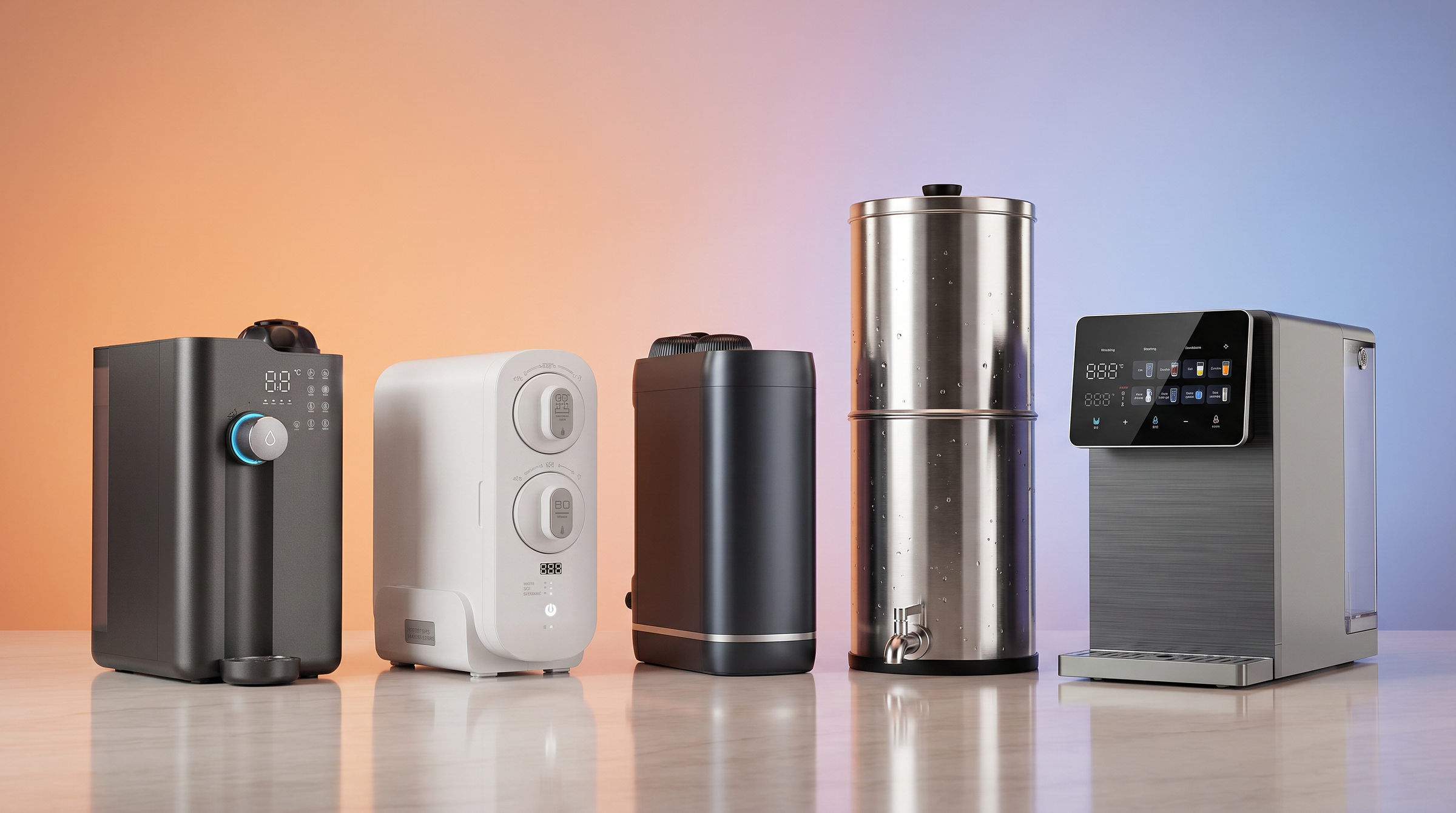
The beauty of modern Reverse osmosis water treatment technology is its adaptability. You no longer need a massive utility room to house a filtration system. Depending on your living situation, kitchen layout, and water consumption needs, Puflow offers specifically tailored configurations. We invite you to explore All products reverse osmosis system for home to find the perfect match.
If you own your home and prefer a minimalist aesthetic, Under-Sink RO Systems are the gold standard. These units conceal the filtration hardware and storage tank neatly beneath your kitchen counter, delivering purified water through a dedicated, elegant dispenser faucet.
For renters or those who do not wish to drill holes in their countertops, Countertop RO Systems offer a brilliant, plug-and-play alternative. These sleek units sit directly on your kitchen island and provide immediate purification without invasive plumbing modifications. Additionally, for outdoor enthusiasts or individuals living off-grid, Portable & Non-Electric models guarantee access to safe drinking water regardless of your proximity to modern infrastructure.
Large families and small businesses should undoubtedly consider High-Flow RO Systems. These robust units feature tankless designs and powerful internal booster pumps that generate pure water on demand, eliminating the frustrating wait times associated with traditional storage tanks.
5. Maintenance and Longevity: Protecting Your Investment
We must emphasize that a Reverse osmosis water treatment system is not a \"set it and forget it\" appliance. To maintain peak purification performance, you must adhere to a routine maintenance schedule. Over time, the pre-filters will become saturated with dirt and chlorine, and the RO membrane will slowly foul with microscopic scale.
From our experience, you should plan to replace your sediment and carbon pre-filters every 6 to 12 months, depending on the hardness of your local municipal water. The central RO membrane is incredibly durable and typically lasts between 2 to 3 years before requiring replacement. Failing to change your pre-filters will force chlorine into the membrane, causing premature failure. We recommend keeping a steady supply of Replacement Filters on hand so you are never caught off guard. Proper maintenance guarantees your system will deliver flawless hydration for a decade or more.
6. Summary Table: RO System Configurations
To assist in your decision-making process, we have compiled a quick reference guide detailing the primary advantages of different Reverse osmosis water treatment setups.
| System Type | Installation Requirements | Primary Advantage | Ideal User Profile |
|---|---|---|---|
| Under-Sink RO Systems | Requires basic plumbing & faucet hole | Completely hidden from view; high volume output | Homeowners seeking a permanent, seamless kitchen integration |
| Countertop RO Systems | Zero plumbing required; plugs into wall | Portable, space-saving, and easy to maintain | Renters, students, and apartment dwellers |
| High-Flow Tankless RO | Under-sink plumbing required | Continuous pure water on demand; zero storage tank | Large families, avid home chefs, and office breakrooms |
| Portable & Non-Electric RO | Manual operation or gravity-fed | Operates entirely without electricity | Off-grid living, RV enthusiasts, and emergency preparedness |
7. Frequently Asked Questions (FAQs)
Does Reverse osmosis water treatment remove beneficial minerals from the water?
Yes, the filtration process is so precise that it removes both harmful contaminants and natural minerals like calcium and magnesium. However, we recommend choosing a system equipped with an alkaline remineralization filter. This final stage naturally reintroduces the healthy minerals your body needs, ensuring the water is perfectly pH balanced and delicious.
Is it true that Reverse osmosis water treatment wastes a lot of water?
Historically, older RO systems sent up to four gallons of water down the drain for every one gallon purified. However, modern engineering has drastically improved this ratio. Advanced tankless systems and units with internal booster pumps can achieve a 1:1 or even 2:1 pure-to-waste ratio, making contemporary Reverse osmosis water treatment highly efficient and environmentally responsible.
Can a Reverse osmosis water treatment system handle well water?
Absolutely, but with a caveat. If your well water has exceptionally high levels of iron, sulfur, or extreme hardness, you must install a dedicated water softener or iron filter before the water reaches the RO system. Reverse osmosis water treatment is brilliant at removing trace heavy metals and pathogens, but excessive iron will quickly foul the delicate membrane.
8. Expert References and Resources
To ensure our community remains informed by the highest scientific standards, we encourage you to review the official guidelines on Reverse osmosis water treatment provided by leading governmental health and environmental agencies: