


10 Features to Look for in the Best Under Sink RO Filter: The 2026 Commercial Guide
The municipal water infrastructure in many developed regions is aging rapidly, leading to a surge in consumer awareness regarding microplastics, PFAS (forever chemicals), and heavy metal contamination. If you are relying on a basic carbon pitcher filter to protect your household or commercial office, you are operating under a false sense of security. Carbon filters improve taste; they do not remove microscopic industrial toxins. From our experience at Puflow, engineering advanced water purification systems, the only reliable defense against broad-spectrum contaminants is Reverse Osmosis (RO).

However, the RO market is flooded with outdated, inefficient technology. Buying a generic, white-labeled system from a big-box retailer often results in massive water waste, catastrophic cabinet leaks, and bacterial growth in pressurized storage tanks. In most professional situations, treating water purification as a bargain-bin purchase is a profound liability. You must exercise commercial and practical judgment. If you are going to invest in pure water, you must understand exactly what separates a modern, high-performance unit from obsolete hardware. In this definitive guide, we will analyze the precise 10 features to look for in the best under sink RO filter, dissecting the engineering requirements that guarantee safety, efficiency, and longevity in 2026.
Quick Answer: The Mandatory Upgrades
If you are actively shopping, these are the non-negotiable features to look for in the best under sink RO filter:
- Tankless Architecture: Eliminates secondary bacterial contamination and reclaims 60% of your cabinet space.
- High Flow Rate (Minimum 600 GPD): Ensures you can fill a glass in seconds, not minutes.
- Low Drain Ratio (2:1 or Better): Prevents your water bill from skyrocketing by wasting less water during the membrane flush.
- Composite Filtration: Combines multiple stages into fewer cartridges, reducing maintenance costs and replacement complexity.
- Alkaline Remineralization: RO water is slightly acidic and flat; remineralization adds back calcium and magnesium for optimal pH and taste.
We recommend completely abandoning traditional 5-stage tank systems. The future of residential and commercial filtration is direct-flow, tankless technology.
Table of Contents
- What It Is: The Modern RO System
- How It Works: Precision Membrane Physics
- The 10 Features to Look For
- Commercial and Health Benefits
- Limitations and Realistic Expectations
- Who Should Install RO
- Who Does Not Need RO
- Common Procurement Mistakes
- Expert Buying Considerations
- Summary and Comparison Tables
- Expert Recommendation & Hardware
- Frequently Asked Questions
What It Is: The Modern Under Sink RO System
A modern under sink reverse osmosis system is a compact, point-of-use water purification plant. Historically, these systems required bulky 3-gallon storage tanks because the RO membranes were too slow to produce water on demand. When evaluating the Tankless RO vs Tank RO debate, it becomes clear that modern engineering has solved this. Today's premium systems utilize internal booster pumps and massive membrane surface areas to push water through at high velocities, generating pure water instantly when you open the faucet.
How It Works: Precision Membrane Physics
How it works is a triumph of fluid dynamics. Municipal water pressure (assisted by the system's internal pump) forces tap water against a semi-permeable membrane with pores as small as 0.0001 microns. To put that in perspective, a human hair is roughly 70 microns. This membrane physically rejects lead, arsenic, fluoride, nitrates, and PFAS, washing them down the drain line. Only pure H2O molecules are small enough to pass through. This is why the features to look for in the best under sink RO filter must include a powerful internal pump; without adequate pressure, the rejection rate drops and wastewater increases.
The 10 Features to Look for in the Best Under Sink RO Filter
In our testing and daily manufacturing operations, we have identified ten specific features that separate premium hardware from obsolete liabilities.
1. True Tankless Design
Storage tanks degrade. Inside a pressurized tank is a rubber bladder that holds the purified water. Over years of use, this bladder can harbor biofilm and bacteria if the system is not sterilized. Tankless systems eliminate this vector for secondary contamination entirely, delivering water directly from the membrane to your glass.
2. High Daily Capacity (GPD)
GPD stands for Gallons Per Day. A legacy system produces 50 GPD, trickling water into a tank. A premium modern unit, such as the A10S 800G Tankless RO System, produces 800 GPD. This dictates your flow rate at the faucet. You want a system that fills a standard cup in under 5 seconds.
3. Low Pure-to-Drain Ratio
Because RO membranes must flush away rejected toxins, they generate wastewater. Old systems wasted 4 gallons for every 1 gallon of pure water produced (1:4 ratio). The best systems today achieve a 2:1 or even 3:1 pure-to-drain ratio, drastically reducing your utility bill and environmental footprint.
4. Smart Faucet with TDS Monitoring
You should never have to guess if your filter is working. Premium systems include a smart digital faucet that displays the real-time Total Dissolved Solids (TDS) of your water, alongside filter life indicators. This takes the guesswork out of maintenance.
5. Integrated Waterway Board
Traditional systems use dozens of external plastic tubes and push-connect fittings, creating multiple points of failure for leaks. Modern systems utilize an integrated injection-molded waterway board inside the chassis, reducing leak risks by over 80%.
6. Twist-and-Pull Filter Replacement
For commercial users and homeowners alike, maintenance should not require a plumber. You should look for systems with front-loading, twist-and-pull filter cartridges that can be changed in 3 seconds without shutting off the main water supply.
7. Alkaline Remineralization Stage
RO water is highly aggressive and slightly acidic because it lacks minerals. A premium system includes a post-filter that reintroduces healthy calcium and magnesium, raising the pH and vastly improving the taste profile of your coffee and cooking water.
8. Composite Filtration
Instead of having five separate bulky housings for sediment, pre-carbon, and post-carbon, modern systems compress these media into single composite filters. This reduces the physical footprint under your sink while maintaining rigorous contaminant reduction.
9. Automatic Membrane Flushing
To prolong the life of the expensive RO membrane, the system must automatically flush itself with high-velocity water after use or after periods of stagnation. This prevents scale buildup and maintains peak flow rates.
10. Lead-Free Stainless Steel Faucet
It is entirely counterproductive to purify water to 0.0001 microns only to run it through a cheap brass faucet that leaches lead back into the stream. Ensure the included dispensing faucet is constructed from SUS304 or 316 stainless steel.
Commercial and Health Benefits
The primary benefit of utilizing a premium RO system is absolute control over your hydration matrix. Whether you are dealing with aging municipal pipes or agricultural runoff in well water, an RO system acts as an impenetrable barrier. Furthermore, the cost savings are immense compared to purchasing bottled water. If you are exploring off-grid or high-volume solutions outside the kitchen, integrating a G10 Atmospheric Water Generator or a large Big Flow 3 Gravity Water Filter provides similar independence from municipal supply vulnerabilities.
Limitations and Realistic Expectations
We must use commercial and practical judgment: Reverse Osmosis is not magic. The primary limitation of tankless RO systems is that they require electricity to power the internal booster pump. In a power outage, the system will not dispense water. If you live in an area with highly unreliable grid power, you must supplement your setup with a passive system, such as a Gravity Water Filter 3.8L.
Who Should Install RO
For Commercial Users and Urban Homeowners: Anyone living in a municipality known for hard water, chloramine usage, or potential PFAS contamination must use RO. If you operate an office kitchen, providing RO water via the Best Countertop RO Water Purifier or an under sink unit is a massive quality-of-life upgrade for employees.
Who Does Not Need RO
For Areas with Pristine Source Water: If your municipal water already has very low TDS (under 100 ppm) and your only concern is the taste of chlorine or basic sediment, a full RO system is overkill. You are stripping out minerals unnecessarily. In these specific cases, an Ultrafiltration (UF) system is the superior choice. UF operates without electricity, produces zero wastewater, and filters down to 0.01 microns—perfect for removing bacteria and cysts while leaving healthy minerals intact.
Common Procurement Mistakes
From our experience, the most catastrophic mistake buyers make is failing to check their under-sink dimensions before purchasing. Tank-based systems require nearly the entire cabinet. The second major mistake is ignoring specific contaminant profiles. If your local water report shows high levels of fluoride, ensure your system is rated for it, or integrate a specialized Fluoride Reduction Filter into your pretreatment line.
Expert Buying Considerations
When selecting your system, evaluate the long-term cost of replacement filters. A cheap system often hooks you with a low initial price, only to charge exorbitant fees for proprietary replacement cartridges. Look for systems that offer a minimum of 12 to 24 months of life on the primary RO membrane. Additionally, if you require extreme water autonomy, consider expanding your infrastructure with advanced solutions like the F20 Atmospheric Water Generator.
Summary and Comparison Tables
Comparison Table: Tankless RO vs. Ultrafiltration (UF)
| Specification | Tankless Reverse Osmosis (RO) | Ultrafiltration (UF) |
|---|---|---|
| Filtration Precision | 0.0001 Microns | 0.01 Microns |
| Contaminant Removal | Heavy metals, Fluoride, PFAS, TDS | Bacteria, Cysts, Chlorine, Sediment |
| Mineral Retention | Removes all (requires remineralization) | Retains healthy natural minerals |
| Electricity Required | Yes (Runs booster pump) | No (Relies on tap pressure) |
| Wastewater Generated | Yes (Varies from 1:1 to 3:1 ratio) | Zero |
Pros and Cons of Premium Tankless RO Systems
| Pros | Cons |
|---|---|
| Absolute highest level of water purity available for residential use. | Higher initial purchase price compared to pitcher filters or basic carbon blocks. |
| Massive space savings under the sink compared to tank systems. | Requires a nearby electrical outlet under the sink for operation. |
| On-demand flow rates eliminate waiting for tanks to refill. | Still generates some wastewater, though significantly less than older models. |
Expert Recommendation & Hardware Spotlight
Are the features to look for in the best under sink RO filter actually worth the premium price tag? Yes. Clean water is the foundation of human health. However, as noted above, not every household actually requires Reverse Osmosis. If your primary goal is removing chlorine taste, microscopic bacteria, and sediment without the complexity of wastewater lines and electrical outlets, Ultrafiltration is the engineer's choice.
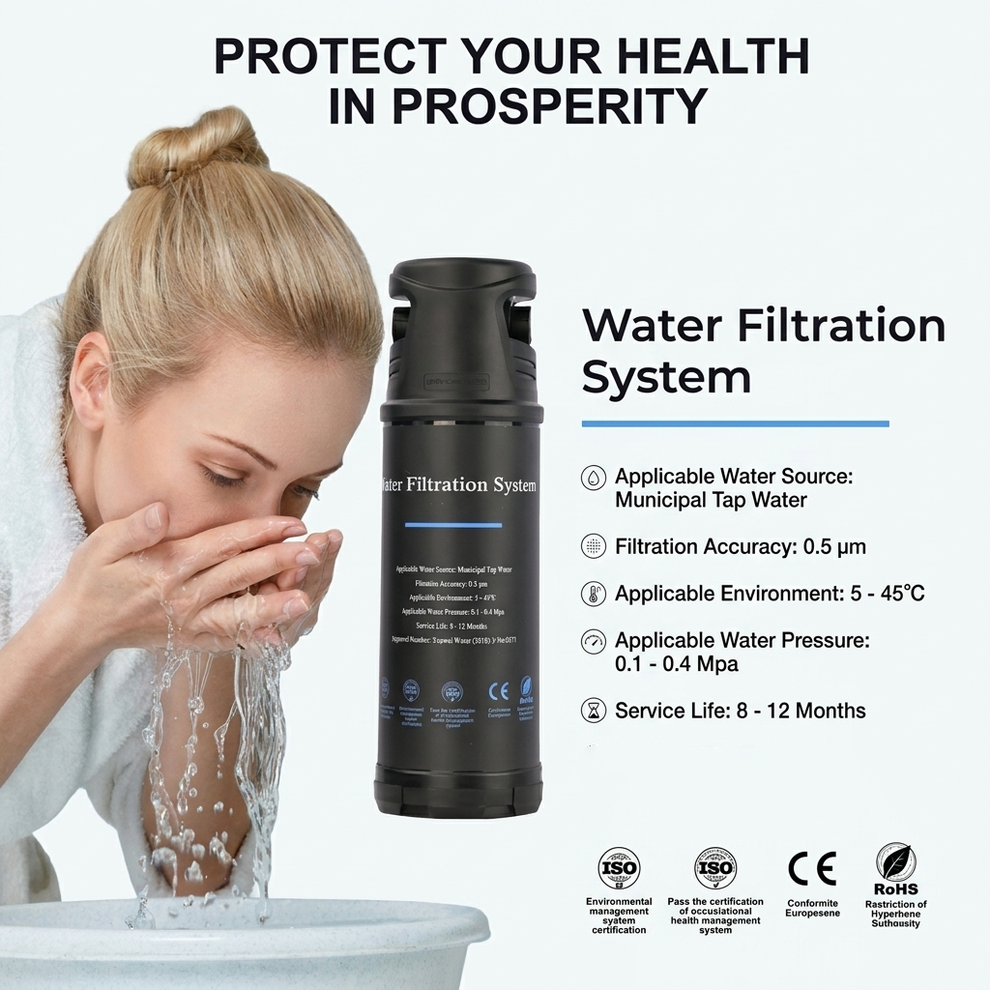
For outdoor enthusiasts who demand this level of protection off-grid, ensure you secure a Portable Water Filter Bottle to maintain filtration standards while traveling.
Frequently Asked Questions
What are the most critical features to look for in the best under sink RO filter?
The absolute non-negotiables are a tankless design to prevent secondary contamination, a high flow rate (minimum 600 GPD) so you aren't waiting for water, and a low drain ratio (at least 2:1 pure-to-waste) to minimize water bills and environmental impact.
Do I actually need a remineralization filter on my RO system?
In most professional situations, yes. Reverse osmosis removes 99.9% of all total dissolved solids, including healthy minerals like calcium and magnesium. A remineralization stage restores these minerals, improving the pH balance and making the water taste significantly better.
Why are tankless RO systems better than traditional tank systems?
Tankless systems save massive amounts of under-sink space, deliver water on demand rather than running out after 2 gallons, and eliminate the pressurized storage tank which is a notorious breeding ground for bacteria if not sanitized regularly.
How often do I need to change RO filters?
For heavy-duty applications, pre-filters (carbon and sediment) must be changed every 6 to 12 months. The primary RO membrane typically lasts 12 to 24 months depending on your incoming water hardness and daily usage volume.
Industry References & Authoritative Guidelines
To ensure our water purification recommendations adhere to the highest global safety standards, Puflow references the following authoritative environmental and public health organizations:
- NSF International: The premier global public health organization that develops strict standards (such as NSF/ANSI 58) for the contaminant reduction claims, structural integrity, and material safety of Reverse Osmosis systems. Review NSF Water Treatment Standards
- Environmental Protection Agency (EPA): Federal agency providing critical data on emerging drinking water contaminants like PFAS and lead, dictating the necessity for advanced point-of-use filtration. Review EPA Drinking Water Guidelines
- Water Quality Association (WQA): Leading trade association representing the residential commercial water treatment industry, providing rigorous Gold Seal certification for high-efficiency, low-waste RO technologies. Review WQA Industry Certifications