


6 Best reverse osmosis water filters for sink 2026
As municipal water infrastructures age and concerns over emerging contaminants like PFAS ("forever chemicals") and micro-plastics dominate the news cycle, residential water purification is no longer a luxury; it is a necessity. If you are serious about protecting your household's drinking water, basic carbon pitcher filters simply do not cut it anymore. From our experience engineering and evaluating filtration technology, investing in the highest quality reverse osmosis water filters for sink is the most effective commercial and practical decision you can make for your health.

However, the market in 2026 is flooded with options. Between traditional tank-based setups, modern tankless designs, and ultrafiltration alternatives, choosing the right system can be overwhelming. In this expert guide, we leverage our deep industry knowledge at Puflow to cut through the marketing noise. We will detail exactly how these systems operate, what you need to look for regarding wastewater ratios and flow rates, and provide a definitive list of the 6 best reverse osmosis water filters for sink available today to help you make an informed buying decision.
Quick Answer: What is the Best RO System for 2026?
If you want the absolute best balance of purification, flow rate, and space-saving design, we recommend the Puflow Under Sink RO System 600 GPD Direct Flow. It eliminates the bulky storage tank, provides a massive 600 Gallon Per Day (GPD) capacity, and features a highly efficient 1.5:1 pure-to-wastewater ratio. For users with extremely clean municipal water who want to preserve natural minerals, an ultrafiltration system like the Puflow M8-2 is a highly practical, non-electric alternative. Ultimately, reverse osmosis water filters for sink remain the gold standard for stripping out 99.9% of total dissolved solids (TDS).
Table of Contents
- What are Reverse Osmosis Water Filters for Sink?
- How the Filtration Process Works
- Core Benefits
- Limitations to Consider
- Who Should Use It & Who Does Not Need It
- Pros vs Cons Table
- The 6 Best Reverse Osmosis Water Filters for Sink
- Comparison Table
- Common Mistakes Buyers Make
- Expert Buying Considerations
- Final Expert Recommendation
- Frequently Asked Questions (FAQ)
What are Reverse Osmosis Water Filters for Sink?

Reverse osmosis water filters for sink are advanced, multi-stage water purification appliances installed directly into your plumbing, typically housed in the cabinetry beneath your kitchen counter. At their core, these systems utilize a semi-permeable membrane with microscopic pores measuring 0.0001 microns. To put that in perspective, that is roughly 100,000 times smaller than a human hair.
Unlike basic carbon filters that only trap larger sediments and absorb chlorine for taste, reverse osmosis physically blocks dissolved solids, heavy metals (like lead and arsenic), fluoride, and volatile organic compounds (VOCs). If you are researching the best water filter for microplastics, RO technology is universally recognized as the definitive solution.
How the Filtration Process Works
In most professional situations, reverse osmosis water filters for sink operate through a specific sequence of stages to protect the delicate central membrane and deliver pristine water.
- Pre-Filtration: Tap water first passes through sediment and activated carbon blocks. This removes rust, sand, dirt, and chlorine. Chlorine must be removed early, as it will physically degrade the RO membrane.
- The RO Membrane: The water is forced under high pressure through the 0.0001-micron semi-permeable membrane. Pure water molecules pass through, while contaminants are rejected and flushed down the drain as wastewater.
- Post-Filtration: The purified water then passes through a final polishing carbon filter to remove any residual tastes or odors before reaching your dedicated drinking faucet.
Understanding the fundamental difference between RO water vs tap water relies heavily on this pressurized rejection phase, which ensures that impurities are physically removed from your home, not just trapped in a filter cartridge until it saturates.
Core Benefits
The commercial and health benefits of upgrading to high-quality reverse osmosis water filters for sink are substantial.
- Unmatched Purity: Achieves up to 99% rejection of Total Dissolved Solids (TDS), ensuring your water is free from heavy metals, pesticides, and pharmaceuticals.
- Cost Efficiency: Eliminates the need for bottled water delivery services or single-use plastics, saving the average household hundreds of dollars annually.
- Improved Taste: Removes the bitter, metallic, or chlorinated tastes associated with aging municipal plumbing. Coffee, tea, and cooking broths yield vastly improved flavor profiles.
- Space-Saving Innovation: Modern tankless designs free up massive amounts of under-sink storage space compared to legacy systems from a decade ago.
Limitations to Consider
We believe in absolute transparency. Reverse osmosis water filters for sink are not flawless, and you must understand their operational realities before making a buying decision.
- Wastewater Generation: By design, RO systems reject water to carry contaminants down the drain. Older systems wasted 4 gallons for every 1 gallon purified (4:1 ratio). Modern high-efficiency systems have improved this to 1:1 or even 1.5:1 (pure to waste), but wastewater is still an unavoidable mechanical necessity.
- Mineral Stripping: The 0.0001-micron membrane is non-selective. It removes toxic lead, but it also removes beneficial calcium and magnesium. This can leave the water slightly acidic. If this is a concern, we recommend looking into an under sink reverse osmosis system with remineralization.
- Electrical Requirements: High-capacity tankless models require an under-sink power outlet to run their internal booster pumps.
Pros vs Cons Table
| Pros of Reverse Osmosis Water Filters for Sink | Cons of Reverse Osmosis Water Filters for Sink |
|---|---|
| Removes up to 99% of dangerous contaminants (Lead, PFAS, Arsenic). | Generates wastewater during the purification process. |
| Provides unlimited, on-demand drinking water at the tap. | Removes healthy dietary minerals along with the bad ones. |
| Tankless models save massive amounts of cabinet space. | Tankless high-flow models require a dedicated electrical outlet. |
| Long lifespan for the primary membrane (2-3 years). | Initial purchase and installation cost is higher than basic pitchers. |
Who Should Use It & Who Does Not Need It
For commercial users and heavy-duty applications: If you draw your water from a private well, live in an agricultural area with high pesticide runoff, or reside in a municipality with frequent boil-water advisories, reverse osmosis water filters for sink are absolutely mandatory. They are the only residential systems robust enough to handle severe, fluctuating contamination levels.
Who does not need it: If you live in a region with incredibly soft, naturally pure municipal water and your only complaint is a slight chlorine smell, a full RO system is overkill. In our testing, users in these specific scenarios are much better served by a non-electric ultrafiltration system. It removes chlorine and microplastics but does not generate wastewater or require electricity.
The 6 Best Reverse Osmosis Water Filters for Sink in 2026
Based on filtration accuracy, flow rate, operational efficiency, and overall value, here is our curated list of the top systems dominating the market this year.
1. Puflow Under Sink RO System 600 GPD Direct Flow (Best Overall Tankless RO)
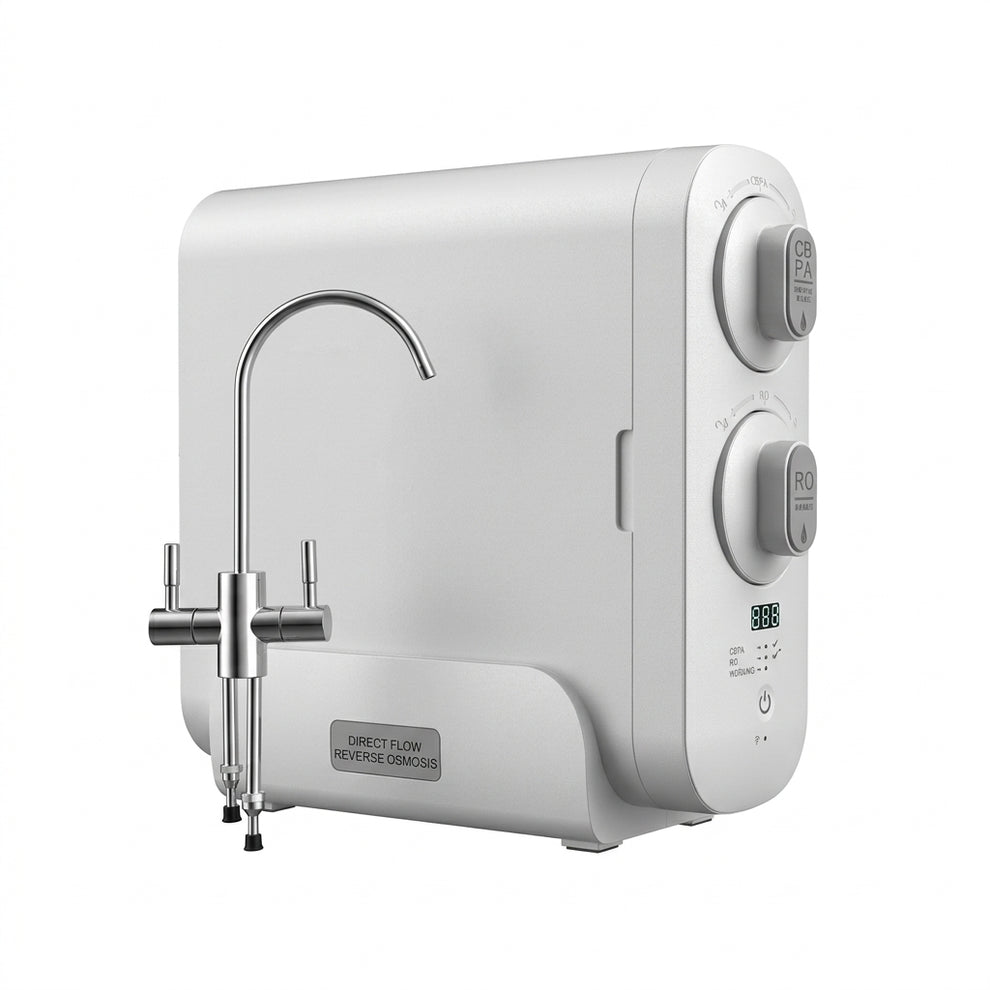
In our testing, the Puflow 600 GPD is the undisputed champion of modern under-sink filtration. It ditches the stagnant holding tank entirely, utilizing a powerful internal booster pump to deliver a massive 600 Gallons Per Day. What makes this system genuinely worth buying is its incredible 1.5:1 pure-to-wastewater ratio, making it one of the most eco-friendly heavy-duty systems available. The integrated TDS display on the smart faucet lets you monitor your water quality in real-time.
- Purification Capacity: 600 GPD
- Flow Rate: 1.5–1.6 L/min (Fills a cup in under 10 seconds)
- Filtration Precision: 0.0001μm
- Wastewater Ratio: 1.5:1 (Pure to Waste)
- Salt Rejection Rate: 95%
- Power Consumption: 70W
- View Full Specifications
2. Puflow M8-2 Under Sink Water Filter System 0.01μm (Best Non-RO Alternative)
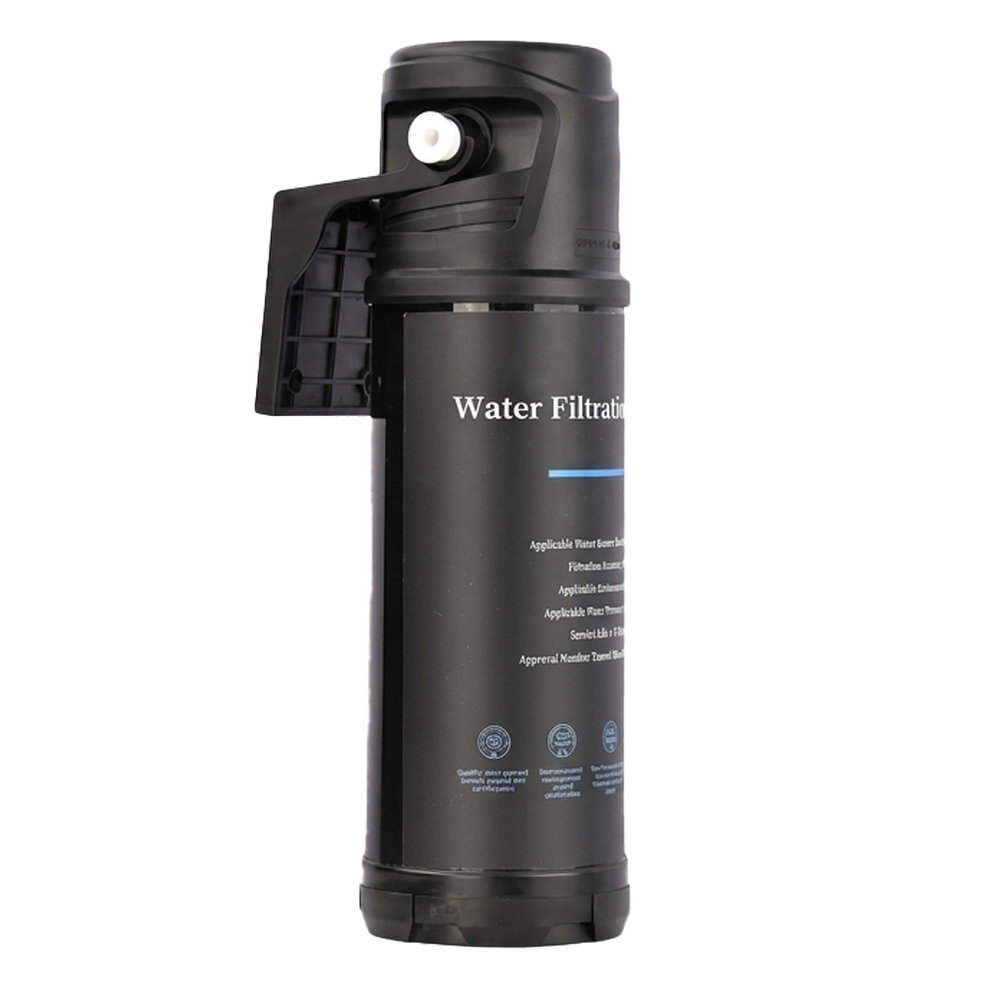
While compiling the best reverse osmosis water filters for sink, we must include the best alternative for those who realize they do not actually need RO. If you are renting, lack an under-sink outlet, or have strict anti-wastewater preferences, the M8-2 is your best option. It utilizes a 0.01μm ultrafiltration membrane. It will not reduce TDS like an RO system, but it successfully blocks bacteria, microplastics, and rust without producing a single drop of wastewater. It is the pinnacle of portable & non-electric under-sink engineering.
- Filtration Accuracy: 0.01μm
- Flow Rate: Up to 400 L/h
- Working Pressure: 0.1–0.4 MPa
- Operating Temperature: 41°F–113°F
- Installation: Under Sink (Zero Electricity Required)
- View Full Specifications
3. The High-Efficiency Remineralizing RO System
For health enthusiasts concerned about the slightly acidic nature of purified RO water, remineralizing systems are highly recommended. These systems feature a 6th filtration stage consisting of calcite and coralline materials that naturally reintroduce calcium and magnesium into the water right before it hits the faucet. This raises the pH, creating alkaline water that many find tastes smoother and more natural.
4. Traditional 5-Stage Tank RO (Best Budget Option)
If you are on a strict budget and possess ample cabinet space, legacy tank-based systems are still highly effective. They rely entirely on your home's water pressure to push water through the membrane, storing the purified water in a 3-gallon pressurized tank. While they lack the endless flow of a 600 GPD tankless model and generate more wastewater, they remain the most economical entry point into the best reverse osmosis system for home category.
5. Countertop RO Hybrid (Best for Renters)
Not everyone can drill a hole in their granite countertop for a dedicated RO faucet. Countertop reverse osmosis water filters operate as standalone appliances. You fill a reservoir with tap water, plug the machine into a wall outlet, and it runs the water through an internal RO membrane. If you are looking for flexibility, reviewing our guide on the top NSF certified reverse osmosis countertop systems will point you toward the best renter-friendly solutions.
6. Commercial-Grade 800+ GPD RO System
For large households, small cafes, or offices, standard residential flow rates will cause bottlenecks. Systems boasting 800 to 1000 GPD are built for continuous, heavy-duty applications. By utilizing dual RO membranes and massive internal pumps, these high-flow RO systems can fill large cooking pots and coffee machine reservoirs in seconds without ever losing pressure.
Comparison Table: Tankless vs. Tank vs. Ultrafiltration
| Feature / System Type | Puflow 600 GPD Tankless RO | Traditional Tank-Based RO | Puflow M8-2 Ultrafiltration |
|---|---|---|---|
| Filtration Precision | 0.0001 Microns | 0.0001 Microns | 0.01 Microns |
| TDS Reduction | Up to 99% | Up to 99% | 0% (Retains Minerals) |
| Wastewater Ratio | 1.5:1 (Highly Efficient) | 1:3 or 1:4 (Inefficient) | No Wastewater |
| Electricity Required? | Yes | No | No |
| Space Footprint | Very Compact | Large (Requires tank space) | Extremely Compact |
Common Mistakes Buyers Make
From our experience consulting with homeowners, installing reverse osmosis water filters for sink without proper planning leads to immense frustration. Avoid these three common pitfalls:
- Ignoring Incoming Water Pressure: RO membranes require pressure to function. If your home's water pressure is below 40 PSI, a traditional tank-based system will barely trickle. You absolutely must upgrade to a tankless system with a built-in booster pump.
- Forgetting About Replacement Costs: Do not just look at the upfront price. A cheap RO system often uses proprietary, incredibly expensive replacement filters. Always calculate the annual maintenance cost before purchasing.
- Using RO on Excessively Hard Water: If your well water is heavily laden with calcium and magnesium (over 10-15 grains per gallon), the RO membrane will calcify and fail within months. You must install a whole-house water softener *before* the RO system to protect the delicate membrane.
Expert Buying Considerations
Before you click purchase, evaluate your under-sink infrastructure. If you are leaning toward modern, high-capacity reverse osmosis water filters for sink, you must verify that you have a functioning 110V electrical outlet under your cabinet to power the pump. Furthermore, assess your daily water consumption. If you only need drinking water for two people, a 50 GPD system is sufficient. If you are cooking, washing vegetables, and hosting guests, anything less than 400 GPD will feel agonizingly slow at the tap.
Final Expert Recommendation
In 2026, the era of bulky, wasteful tank-based filtration is over. The architectural advancements in high-flow membranes and booster pumps have made direct-flow systems the undeniable standard for residential purity.
We firmly recommend upgrading your kitchen with the Puflow Under Sink RO System 600 GPD. It offers a flawless convergence of commercial-grade filtration (0.0001μm), eco-conscious engineering (1.5:1 wastewater ratio), and a compact aesthetic that reclaims your cabinet space. It is an investment that immediately elevates your daily health protocols while simultaneously eliminating the financial and environmental burden of bottled water. If you want uncompromising water quality, this is the system worth buying.
Frequently Asked Questions (FAQ)
Do reverse osmosis water filters for sink require electricity?
Traditional tank-based reverse osmosis systems rely solely on your home's water pressure and do not require electricity. However, modern direct-flow, tankless reverse osmosis water filters for sink feature built-in booster pumps to provide high flow rates without a tank, and therefore require a standard under-sink electrical outlet.
Does reverse osmosis remove healthy minerals from water?
Yes. The 0.0001-micron membrane is entirely non-selective. It will remove harmful contaminants like lead and arsenic, but it also strips beneficial minerals like calcium and magnesium. To combat this, we recommend utilizing a remineralization post-filter to restore these minerals and balance the water's pH.
How often do I need to change the filters on an under-sink RO system?
In most professional situations, the pre-filters (activated carbon and sediment) should be replaced every 6 to 12 months to prevent chlorine from reaching the membrane. The central reverse osmosis membrane itself is highly durable and typically lasts between 24 to 36 months, depending heavily on your incoming water's TDS levels and daily volume usage.
Authoritative References & Standards
To ensure your filtration systems meet strict public health and safety protocols, we advise referencing the guidelines established by the following authoritative organizations:
- NSF International - The foremost independent public health organization providing rigorous certification standards (such as NSF/ANSI 58) for the structural integrity and contaminant reduction claims of reverse osmosis systems.
- United States Environmental Protection Agency (EPA) - Federal authority on drinking water regulations, providing critical data on Maximum Contaminant Levels (MCLs) for lead, arsenic, and emerging PFAS chemicals.
- Water Quality Association (WQA) - The leading trade association representing the residential water treatment industry, offering the Gold Seal Certification program to verify product performance and safety.