


Reverse Osmosis System Waste Water: 5 Practical Ways to Handle It
The primary critique leveled against reverse osmosis (RO) systems—and one that is entirely justified—is the generation of reject water, commonly known as brine. If you are operating a traditional tank-based system, you are likely dumping three to four gallons of water down the drain for every single gallon of purified water you consume. From our experience, this is an egregious inefficiency that the modern filtration industry has moved beyond. If you are still running a legacy system, you are essentially paying for water twice: once on the inlet and once on the sewer bill.

In most professional situations, we treat the waste water issue as a design failure. You shouldn't be looking for ways to "manage" waste water; you should be looking for ways to stop creating it in such massive volumes. However, for those already committed to an existing setup, or for commercial users managing large-scale industrial filtration, there are clear, actionable strategies to mitigate the impact of reverse osmosis system waste water. We are here to help you decide whether your system needs a tweak, a retrofit, or an outright replacement.
Quick Answer: Managing RO Waste
You have five distinct ways to handle reverse osmosis system waste water:
1) Divert the brine into a rain barrel for garden or lawn irrigation;
2) Retrofit your system with a permeate pump to improve recovery rates;
3) Upgrade to modern low-waste or tankless technology;
4) Utilize the brine for non-potable household uses like toilet flushing (if local codes permit); or
5) Switch to a different technology like a gravity-based or atmospheric system if your water source doesn't actually require RO-level purification.
For most homeowners, the most cost-effective and permanent solution is upgrading to a high-recovery, tankless system like the A10S 800G Tankless RO System, which drastically reduces the waste ratio compared to outdated tank models.
Table of Contents
- What is RO Waste Water?
- How Waste Water Generation Works
- 5 Ways to Handle Waste Water
- Benefits and Limitations
- Who Should Use RO and Who Needs Alternatives
- Common Mistakes in Management
- Buying Considerations
- Essential Comparison Tables
- Expert Recommendation
- The Bottom Line
- Frequently Asked Questions
- References
What is RO Waste Water?
Reverse osmosis works by forcing water through a semi-permeable membrane at high pressure. This membrane has pores so small—0.0001 microns—that only water molecules can pass through effectively. The contaminants that are too large to pass through are concentrated on the feed side of the membrane. To prevent the membrane from immediately clogging, the system must constantly flush these concentrated contaminants away. That flush is the "waste water" or brine.
The misconception is that this water is "toxic." It is not. It is simply your local tap water, but with a higher concentration of minerals, salts, and dissolved solids. It is perfectly safe for many applications where potability is not required. However, in our testing, we find that the high mineral concentration makes it unsuitable for certain delicate indoor plants, but perfectly adequate for utility work.
How Waste Water Generation Works

Waste water generation is driven by the system's "recovery rate." An old-school tank RO system has a recovery rate of about 25%. This means for every 4 gallons entering the system, 3 go to the drain. Why? Because the pressure inside the storage tank pushes back against the membrane, reducing the pressure differential and forcing the system to flush more water to keep the membrane clean. If you are comparing technologies, looking into the Tankless RO vs Tank RO dynamics explains exactly why tankless systems have much lower waste ratios.
5 Ways to Handle Waste Water
1. Direct Irrigation (The Garden Solution)
This is the most practical use for household brine. Run a secondary line from your RO waste outlet into a dedicated 55-gallon rain barrel located outside your home. Use this water for your garden, lawn, or outdoor cleaning. A word of caution: Do not use this water on highly sensitive indoor plants, as the concentrated minerals can lead to nutrient lockout and soil salinization over time. For outdoor hardier plants, it is essentially free, mineral-rich irrigation.
2. Permeate Pump Retrofit
If you are stuck with a tank-based system and cannot afford a full replacement, a permeate pump is an excellent mechanical retrofit. This pump uses the energy of the brine stream itself to boost the pressure on the feed side, effectively decoupling the membrane from the tank pressure. From our experience, this can improve recovery rates by 20% to 50%, significantly reducing your overall waste volume without requiring electrical power.
3. Upgrading to Tankless Technology
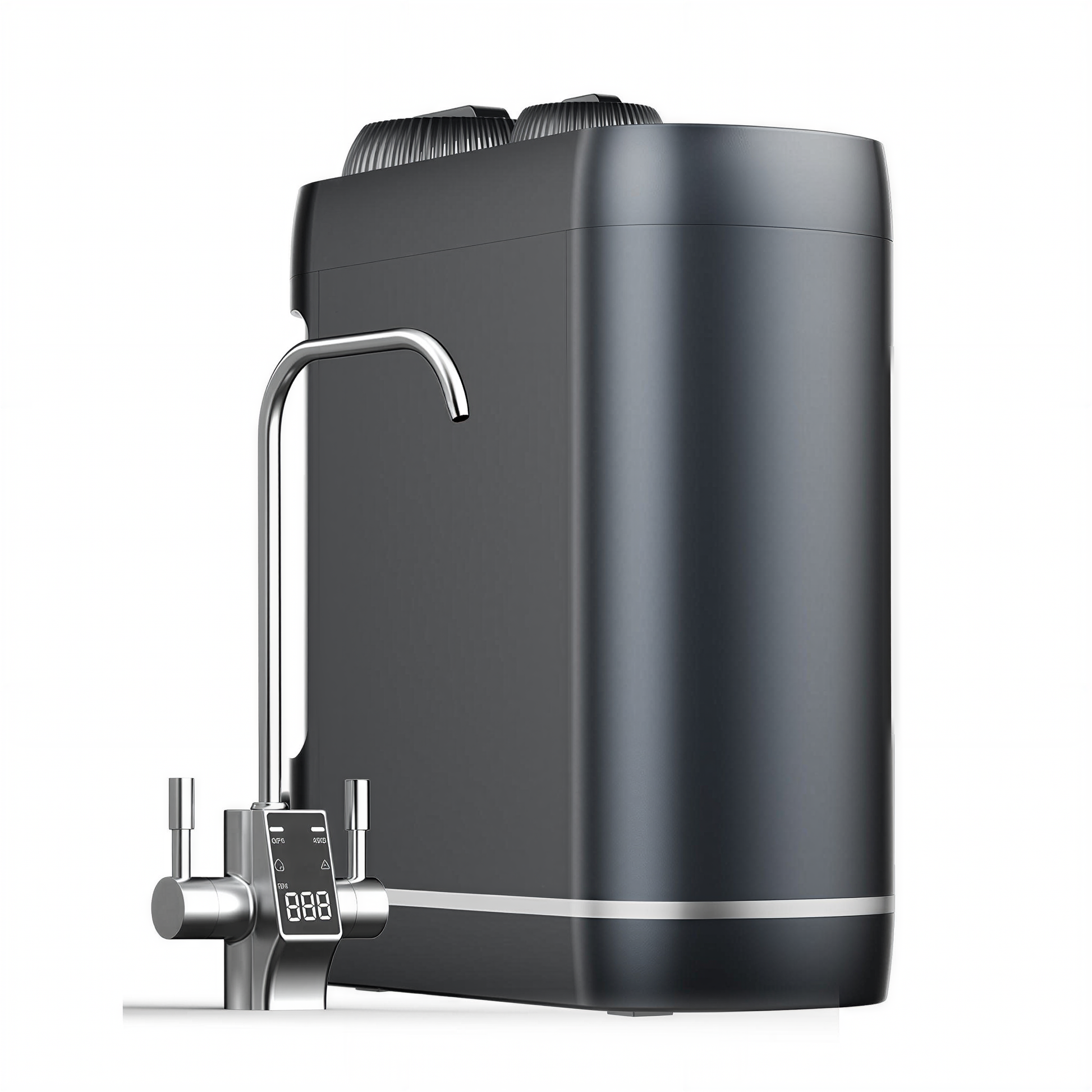
The industry has moved on. If you are still using a tank-based system, you are using obsolete technology. Modern tankless systems, like the A10S 800G Tankless RO System, eliminate the back-pressure of the storage tank entirely. They also utilize advanced multi-stage internal filtration that allows for a much higher recovery rate. In many professional situations, we recommend this as the definitive fix. Stop managing the waste and stop creating it in the first place.
4. Non-Potable Household Utility
If your plumbing allows, route the brine line to a nearby laundry room or toilet cistern. Using RO waste water for flushing toilets is a massive conservation win. While this requires a bit of DIY plumbing—and you must check local building codes to ensure you aren't violating any cross-connection rules—it is a logical way to put mineralized water to work where potability is irrelevant.
5. Re-evaluating Your Source Needs
The most honest advice we can provide is this: you might not actually need RO. If your primary concern is sediment, chlorine, or basic taste, a gravity-based system like the Big Flow 3 Gravity Water Filter or the Big Flow 2 Gravity Water Filter offers excellent purification without generating a single drop of waste water. For travelers or those in regions with different water profiles, F20 Atmospheric Water Generator technology can even bypass municipal lines entirely.
Benefits and Limitations
The benefits of handling waste water properly are environmental and financial. By repurposing brine, you decrease your household water footprint. By upgrading your hardware, you decrease your monthly water bill. The limitation, however, is that most of these methods require time, effort, or significant upfront capital. There is no magic "free" solution that requires zero work.
| Method | Implementation Effort | Waste Reduction | Financial Cost |
|---|---|---|---|
| Garden Irrigation | Low | 100% (Repurposed) | Negligible |
| Permeate Pump | Medium | 20% - 50% | $50 - $100 |
| Tankless RO Upgrade | High | 70% - 90% | $300 - $600 |
| Gravity System (Switch) | Low | 100% (No waste) | $100 - $250 |
Who Should Use It & Who Does Not Need It
For commercial users running high-volume RO systems, brine management is a compliance and efficiency issue. You need professional-grade, high-recovery systems. For homeowners with high municipal water costs, a tankless upgrade is the best long-term investment.
If you live in a location where water is inexpensive and abundant, you do not need to worry about hyper-efficient brine recovery. Your focus should be on system longevity. If your tap water is already relatively clean, ensure you are using the correct filters, such as a Fluoride Reduction Filter or a simple M8-2 Under Sink Water Filter, rather than forcing a high-waste RO system where it isn't required.
Common Mistakes in Management
Do not attempt to recirculate waste water back into the feed line of an RO system. This is a common "hack" seen online, and it is a technical disaster. All you are doing is increasing the concentration of TDS (Total Dissolved Solids) in your feed water, which will instantly foul the membrane, cause massive mineral scale buildup, and ruin your permeate quality. Another mistake is assuming that brine is suitable for pet drinking water; the concentrated mineral content can be harmful to animals.
Buying Considerations
When you are ready to stop managing waste water and start preventing it, consider your water's pressure and temperature. If your home has low water pressure (below 0.4 MPa), a tankless system may struggle. Always check your site conditions against the system requirements. For example, the RO32-Cool Compressor Refrigeration Model has specific pressure and temperature operating ranges that are non-negotiable for system health.
Expert Recommendation
Puflow Professional View
In most professional situations, we recommend moving away from the tank-based "drain-and-discard" model. If you are serious about water efficiency, stop looking for ways to capture brine and start looking for systems engineered to minimize it. We recommend our A10S 800G Tankless RO System. It is designed from the ground up for high-recovery, low-waste operation. It delivers the water purity you demand without the excessive environmental and financial tax of older technology. When combined with our high-performance Best Countertop RO Water Purifier models, you create a sustainable, efficient water infrastructure that simply works.
The Bottom Line
Handling reverse osmosis waste water is fundamentally a problem of choosing better technology. Diverting brine to the garden or installing a permeate pump are merely Band-Aids for an inefficient architecture. If you want a sustainable solution, the only real answer is to upgrade to modern tankless systems that boast a higher recovery rate. It is time to treat water as a precious resource and demand filtration systems that align with that value. Stop wasting gallons for every glass—upgrade your hardware.
Frequently Asked Questions
Is RO waste water safe for plants?
Yes, for most outdoor garden plants. However, avoid using it on delicate houseplants or sensitive succulents, as the high concentration of minerals can build up in the soil and potentially cause nutrient lockout or osmotic stress.
Why does my RO system waste so much water?
Waste is a function of the recovery rate. Traditional systems with storage tanks create significant back-pressure on the membrane, which prevents water from passing through. The system must then use a higher flow of water to "flush" the membrane clean, resulting in the high waste-to-pure water ratios seen in older technology.
Can I reduce RO waste by changing filters?
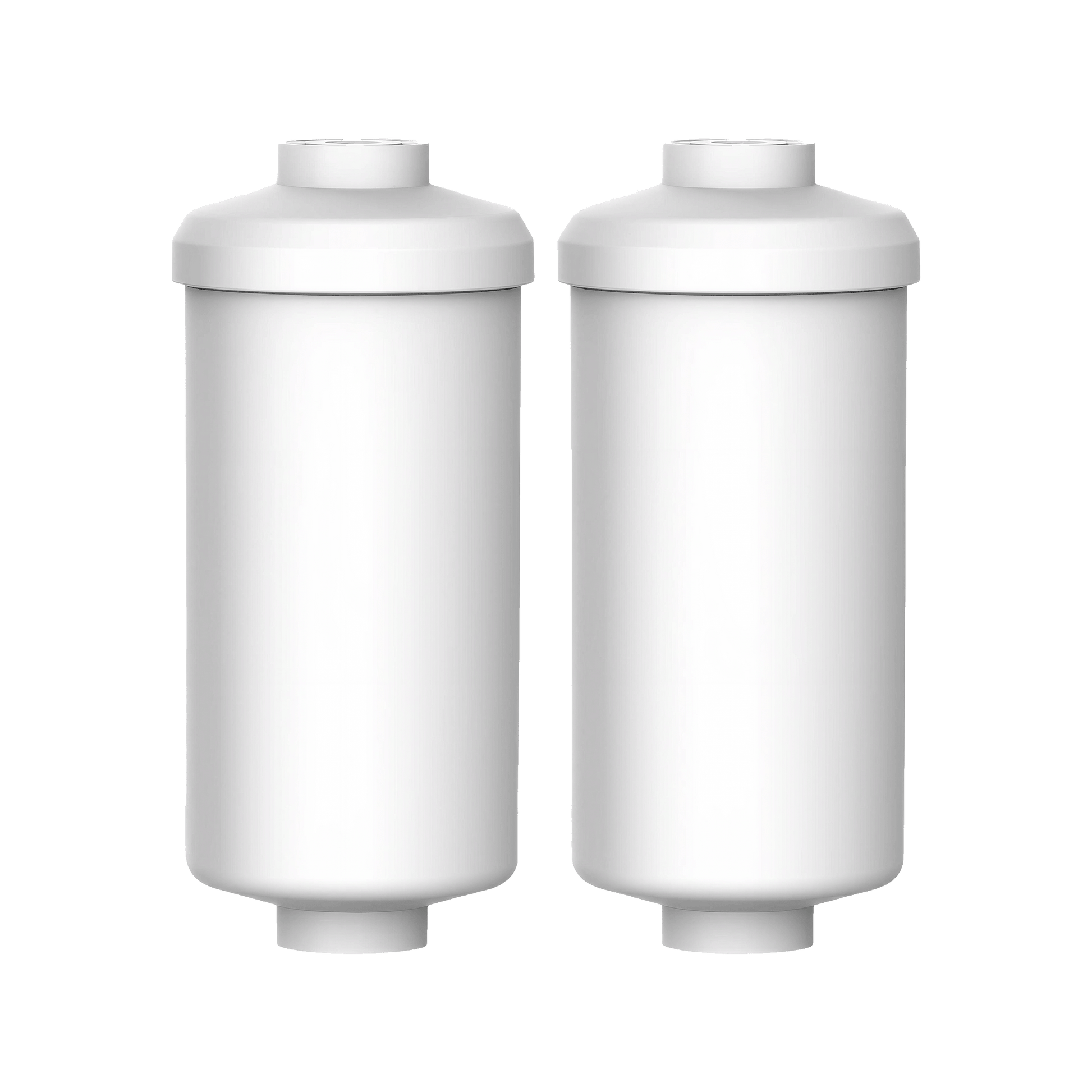
Clogged pre-filters can lead to higher waste ratios because the RO membrane has to work harder to overcome pressure drops. Regularly replacing your sediment and carbon pre-filters will ensure the membrane remains as efficient as possible, but it will not fundamentally change the system's inherent design recovery rate.
References & Authoritative Standards
To ensure our operational advice aligns with high-purity water standards, we reference the following authoritative sources: