


The Definitive 2026 Guide: Water Treatment RO Price Breakdown
The water purification industry is notorious for obscuring the true long-term costs of ownership. When researching the Water treatment ro price in 2026, most buyers make a critical error: they look exclusively at the upfront hardware sticker price. They completely ignore the thousands of dollars required for complex plumbing installations, mandatory pre-treatment systems, and the hidden municipal utility penalties caused by excessive wastewater generation.

From our experience engineering advanced filtration architectures at Puflow, failing to conduct a realistic five-year cost analysis leads to severe buyer's remorse. A system that looks like a bargain online can easily double in cost once the installation labor and quarterly membrane replacements are factored into the equation. In this comprehensive guide, we pull no punches. We will break down exactly what dictates the Water treatment ro price across residential and commercial scales, analyze whether these traditional systems are still worth the investment, and explore the cutting-edge, plumbing-free alternatives that are rendering legacy systems obsolete.
Quick Answer: Current 2026 Market Pricing
If you are trying to budget for your facility or home, here is the immediate breakdown of the average Water treatment ro price based on current 2026 market data:
- Under-Sink / Point-of-Use Systems: $200 – $1,200. (Plus $150 – $400 for professional plumber installation).
- Whole-House Residential Systems: $4,500 – $15,000+. (Heavily dependent on the need for upstream water softeners and storage tanks).
- Light Commercial Systems (500 to 2,000 GPD): $3,500 – $15,000.
- Industrial / Heavy-Duty Systems (10,000+ GPD): $25,000 – $80,000+.
We recommend never purchasing a whole-house or commercial RO system without conducting a comprehensive raw water laboratory test first. Without knowing your exact water hardness, silica, and iron levels, any initial quote you receive is essentially a guess.
Table of Contents
- What It Is: Understanding the Hardware
- How It Works: The Primary Cost Drivers
- The Benefits: Why Purity Justifies the Expense
- Limitations: The Hidden Wastewater Problem
- Who Should Use RO (And Who Does Not Need It)
- Common Procurement Mistakes
- Buying Considerations & Price Tables
- Expert Recommendation from Puflow
- The Bottom Line
- Frequently Asked Questions
What It Is: Understanding the Hardware
A reverse osmosis (RO) system is not simply a high-tech sponge. It is a highly pressurized mechanical process that forces raw water through a semi-permeable membrane, stripping away up to 99% of dissolved solids, heavy metals, and chemical contaminants. When you evaluate a Water treatment ro price, you are not just paying for a single plastic housing. A legitimate system includes a sediment pre-filter, an activated carbon block to remove chlorine (which destroys RO membranes), the actual RO membrane, a pressurized storage tank, and a post-carbon polishing filter. Advanced setups also include UV sterilization chambers and remineralization cartridges to balance the pH of the highly acidic purified water.
How It Works: The Primary Cost Drivers
The core metric that dictates your ultimate Water treatment ro price is capacity, measured in Gallons Per Day (GPD). A small under-sink unit pushing 50 GPD utilizes a small, inexpensive membrane and relies solely on your home's natural municipal water pressure. However, once you scale up to a whole-house or commercial system requiring 2,000 GPD, municipal water pressure is no longer sufficient.
In most professional situations, reaching high capacity requires the integration of high-pressure booster pumps, stainless steel housings, and automated backwashing control valves. For heavy-duty applications, manufacturers must utilize Variable Frequency Drive (VFD) motors to prevent energy spikes. Furthermore, if your feed water is hard (containing high calcium and magnesium), these minerals will instantly scale and destroy an expensive commercial membrane. Therefore, your total Water treatment ro price must legally include the cost of a twin-tank water softener installed upstream of the RO unit, fundamentally altering the economics of the project.
The Benefits: Why Purity Justifies the Expense
Despite the high capital requirements, investing in commercial or high-end residential RO is often a mandatory defense mechanism. For commercial users operating breweries, hydroponic farms, or medical labs, standard municipal water causes catastrophic equipment scaling and ruins product consistency. A high Water treatment ro price is easily justified when it prevents a $50,000 espresso machine fleet from calcifying, or when it removes dangerous levels of PFAS ("forever chemicals") and lead from a family's primary drinking source.
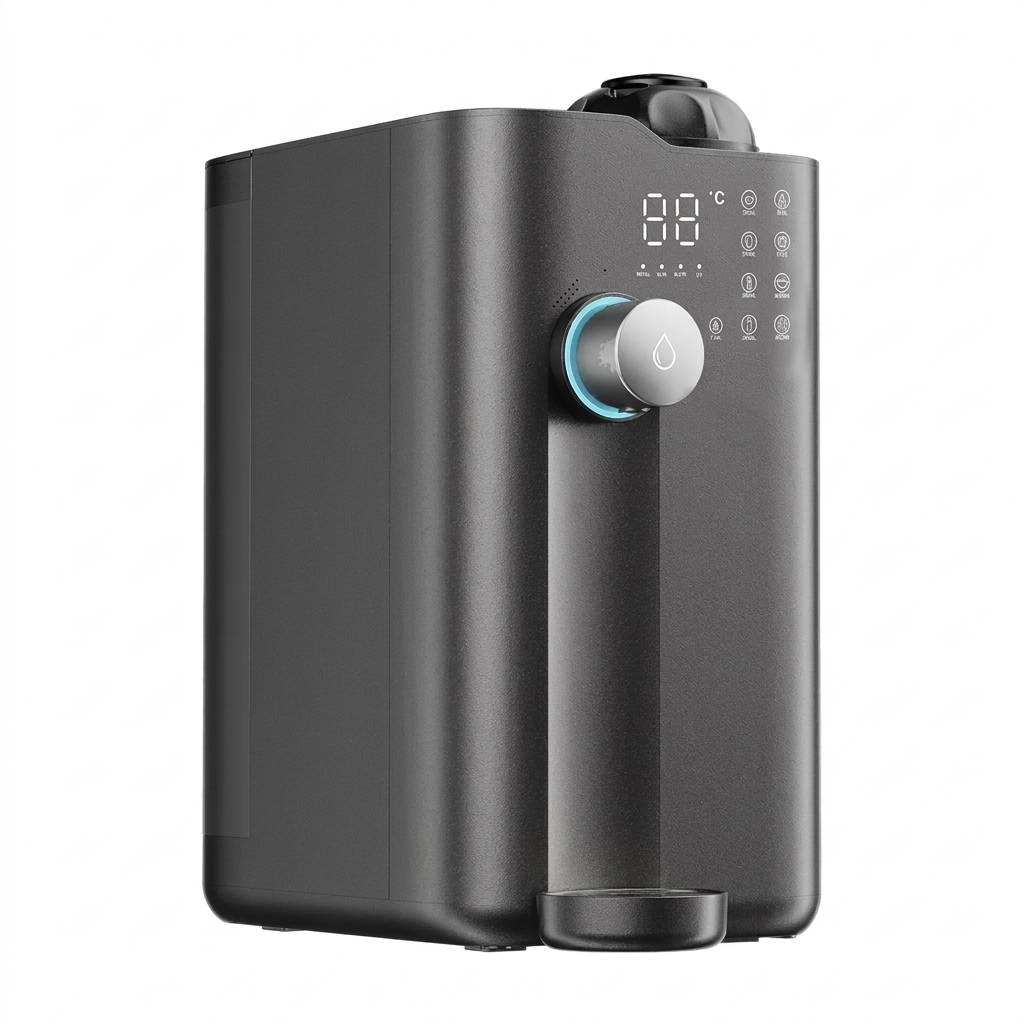
For highly localized residential purity, opting for a C9 Pro RO Water Purifier delivers absolute peace of mind at a fraction of the whole-house price. It provides the barrier necessary to block pharmaceutical runoff, agricultural pesticides, and microplastics that municipal treatment plants routinely fail to catch.
Limitations: The Hidden Wastewater Problem
We must use commercial and practical judgment here: traditional RO technology is inherently wasteful. To keep the microscopic pores of the membrane clear of debris, the system must continuously flush itself. In standard residential systems, it takes roughly 3 to 4 gallons of rejected wastewater sent straight down the drain to produce just 1 gallon of purified drinking water.
When calculating the true, long-term Water treatment ro price, you must factor in a localized spike in your monthly utility bill. For massive commercial facilities, paying municipal sewer fees to dump thousands of gallons of concentrated brine is financially draining. This limitation is exactly why modern architecture is transitioning away from plumbing-dependent RO for drinking water, moving toward atmospheric extraction technologies.
Who Should Use RO (And Who Does Not Need It)
For commercial users: If you run a car wash, a pharmaceutical lab, or a large-scale food manufacturing plant, large-scale industrial reverse osmosis is absolutely mandatory. There is no alternative technology that can process tens of thousands of gallons a day to absolute zero TDS (Total Dissolved Solids) economically.
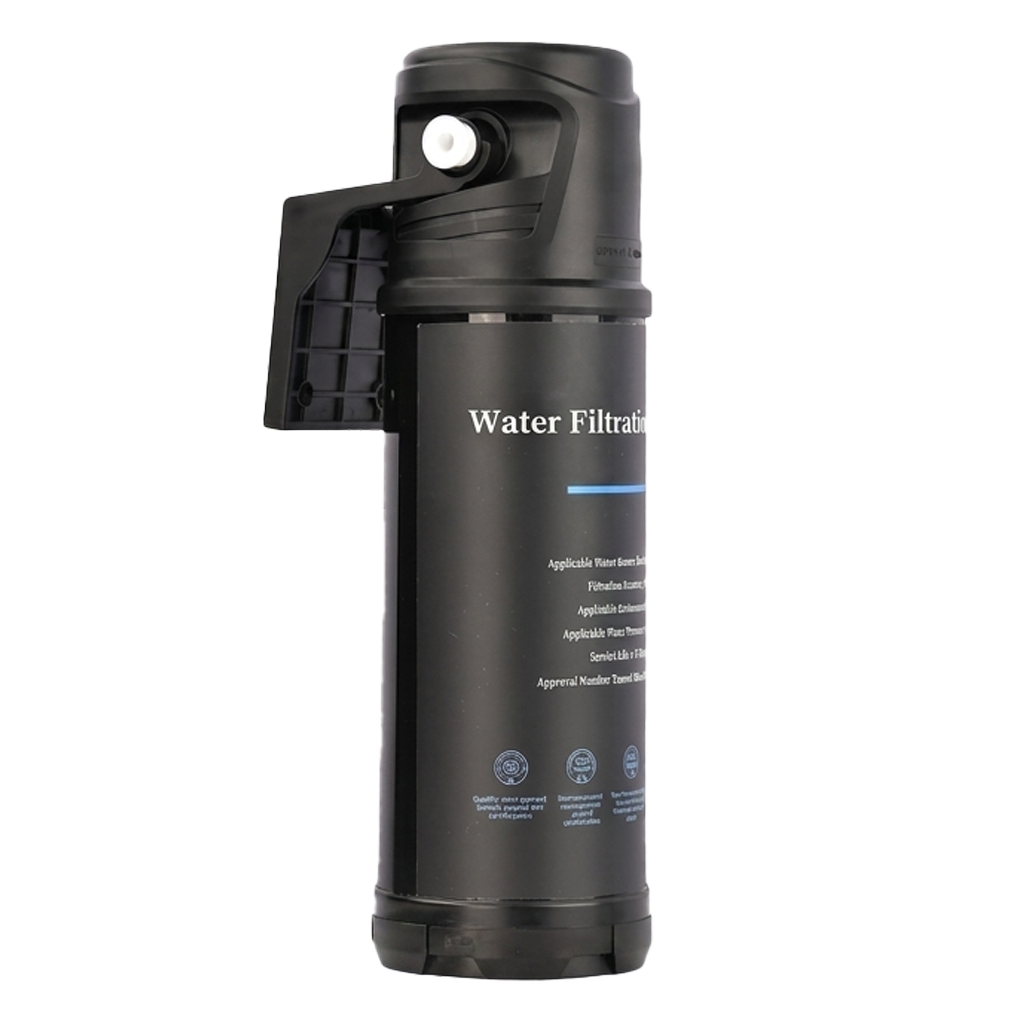
For beginners and renters: You do not need a complex RO system. If you live in an apartment, you cannot legally alter the plumbing to install a drain saddle. Instead, utilize an advanced M8-2 Under Sink Water Filter which offers exceptional multi-stage filtration without the wastewater generation or plumbing nightmares. If you are an outdoor enthusiast, bypass home systems entirely and rely on a Portable Water Filter Bottle for your remote hydration needs.
Who does not need it: Homeowners with moderately clean municipal water who simply want better-tasting water for coffee and cooking. In these cases, scheduling a routine Carbon Water Filter Replacement in a standard inline system is far more cost-effective than absorbing a high Water treatment ro price.
Common Procurement Mistakes
In our testing and auditing of failed installations, the single biggest mistake is buying a commercial system blind. Purchasing a 5,000 GPD system online without sending a raw water sample to an independent lab is a recipe for disaster. If your water contains high levels of iron or manganese, it will permanently blind the RO membrane within 72 hours. Your supplier must design a pre-treatment stack based on empirical laboratory data.
Another common mistake is failing to account for specific targeted contaminants. If your municipality heavily fluoridates the water, a basic carbon filter will not catch it. You must ensure your system is equipped with an explicit Fluoride Reduction Filter stage, otherwise, you are paying a premium Water treatment ro price for an incomplete solution. For off-grid users relying on rainwater without inline pressure, attempting to force an RO system to work is futile; instead, a Replacement Gravity Water Filter is the operationally sound choice.
Buying Considerations & Price Tables
Quick Summary Table: 2026 RO System Price Averages
| System Classification | Hardware Price Range | Estimated Installation Cost | Best Application |
|---|---|---|---|
| Under-Sink (Point of Use) | $200 – $950 | $150 – $300 | Dedicated kitchen drinking water. |
| Whole-House (Point of Entry) | $4,500 – $12,000 | $1,500 – $4,000 | Well water with heavy metal contamination. |
| Light Commercial (1,000 GPD) | $5,000 – $10,000 | $2,000 – $5,000 | Restaurants, cafes, small hydroponics. |
| Industrial (10,000+ GPD) | $25,000 – $80,000+ | $5,000 – $15,000+ | Manufacturing, hospitals, municipal. |
Pros and Cons Table: Whole-House RO Investment
| Pros of Whole-House RO | Cons of Whole-House RO |
|---|---|
| Provides medical-grade water to every faucet and shower in the home. | Massive upfront Water treatment ro price, often exceeding $10,000. |
| Protects expensive plumbing fixtures from hard water scaling and corrosion. | Generates immense amounts of wastewater, spiking utility bills. |
| Removes dangerous PFAS, arsenic, lead, and agricultural runoff. | Requires a massive footprint in a garage or basement for storage tanks. |
| Eliminates the need for single-use plastic bottled water entirely. | Requires highly acidic purified water to be re-mineralized to prevent pipe decay. |
Comparison Table: Traditional RO vs. Atmospheric Water Generation (AWG)
| Feature | Traditional Whole-House RO | Atmospheric Water Generator (AWG) |
|---|---|---|
| Water Source | Municipal tap or underground well water. | Extracts pure moisture directly from the ambient air. |
| Plumbing Required? | Yes, extensive pipe modifications and drains. | No, simply plug it into a standard electrical outlet. |
| Wastewater Generated | High (3 to 4 gallons wasted per 1 gallon pure). | Zero wastewater generated. 100% efficiency. |
| Installation Cost | $1,500 to $4,000+ (Master Plumber Required). | $0 (Plug and Play setup). |
Expert Recommendation from Puflow
The Puflow Verdict on Future-Proofing Your Hydration
In most professional situations, we advise clients to reconsider sinking massive capital into traditional, whole-building reverse osmosis infrastructures unless they are running an industrial manufacturing facility. The hidden installation costs, the relentless maintenance of pre-filters, and the ethical/financial burden of dumping thousands of gallons of wastewater down the drain make standard RO increasingly inefficient for the modern home or premium office.
We recommend bypassing the legacy Water treatment ro price entirely by adopting Atmospheric Water Generation (AWG). Why pay a plumber $3,000 to tear apart your drywall to install an RO tank when you can generate absolute purity from the air itself?
For executive offices or high-end residential spaces, the G10 Atmospheric Water Generator is a masterpiece of independence. Priced at an accessible $3,613.50 USD, it provides pristine, UV-sterilized drinking water with zero plumbing, zero wastewater, and zero reliance on aging municipal pipes. If you require slightly higher capacity for a larger team or busy household, upgrading to the F20 Atmospheric Water Generator at $3,859.00 USD delivers robust atmospheric extraction capable of sustaining a demanding environment. Finally, for true commercial spaces, military outposts, or disaster relief zones demanding high-volume hydration without utility tethers, the P50 Atmospheric Water Generator is the ultimate heavy-duty solution.
The Bottom Line
Stop Paying for Inefficiency
Calculating the true Water treatment ro price in 2026 requires looking far beyond the equipment catalog. You must account for plumbing labor, pre-treatment hardware, and ongoing utility wastewater penalties. While under-sink RO units remain a viable, cost-effective defense against municipal contaminants, scaling to whole-house or office-wide RO is often a logistical nightmare. By leveraging modern AWG technology from Puflow, you can achieve superior water purity while completely severing your reliance on municipal infrastructure and costly plumbing modifications. Invest in independence, not just filtration.
Frequently Asked Questions
The price disparity is driven by the quality of the membrane (e.g., Dow Filmtec vs. generic imports), the presence of intelligent booster pumps, the quality of the housings (BPA-free plastics vs. stainless steel), and the inclusion of post-treatment stages like UV sterilization and alkaline remineralization. Cheap systems often lack necessary certifications and degrade rapidly under high water pressure.
For a whole-house (Point-of-Entry) system, hiring a licensed plumber is absolutely mandatory to ensure correct line sizing, bypass valve installation, and code-compliant wastewater drainage. For a small under-sink system, a competent DIYer can usually handle the installation, though drilling through a granite or quartz countertop for the dedicated faucet often requires professional tooling.
Beyond the initial commercial Water treatment ro price, you must budget for operational expenditures. This includes replacing sediment and carbon pre-filters every 3 to 6 months, replacing the main RO membranes every 2 to 3 years, purchasing liquid antiscalant chemicals to prevent fouling, and the increased electricity costs of running high-pressure VFD pumps 24/7. Annual maintenance can easily cost 15% to 20% of the initial capital investment.
Authoritative Industry References
- U.S. Environmental Protection Agency (EPA) - National Primary Drinking Water Regulations and guidelines on acceptable contaminant levels.
- NSF International - Independent testing protocols and certification standards for reverse osmosis and water filtration devices (NSF/ANSI 58).
- Water Quality Association (WQA) - Industry standards, best practices for water treatment professionals, and educational resources regarding membrane longevity and pre-treatment requirements.