


6 Best Reverse Osmosis Chemicals for Membrane Protection and System Efficiency
Operating a reverse osmosis system without proper chemical management is the fastest way to destroy expensive thin-film composite membranes. Whether you are managing a municipal water treatment facility, an industrial manufacturing plant, or simply trying to understand the chemistry behind high-purity water, ignoring the operational reality of mineral scaling and biofouling leads to catastrophic pressure drops and system failure.
From our experience in water purification technology at Puflow, the line between an RO system that lasts five years and one that fails in five months comes down to precise chemical dosing and cleaning protocols. Thin-film composite (TFC) membranes are highly susceptible to chlorine degradation, biological slime, and calcium carbonate scaling. You cannot simply push raw water through a membrane at high pressure and expect long-term success. You must precondition the feed water.

In this comprehensive guide, we strip away the technical jargon and provide commercial and practical judgment on the best reverse osmosis chemicals available on the market today. We explain exactly what these chemicals do, whether you actually need them, and how residential users can bypass these hazardous materials entirely by utilizing properly engineered multi-stage filtration.
Table of Contents
- Quick Answer: The Top RO Chemicals
- What Are RO Chemicals and How Do They Work?
- The 6 Best Reverse Osmosis Chemicals
- Benefits of Proper Dosing
- Limitations and Risks
- Who Should Use It vs. Who Does Not Need It
- The Residential Solution: Puflow RO100
- Essential Reference Tables
- Common Dosing Mistakes
- Buying Considerations
- Expert Recommendation
- The Bottom Line
- Frequently Asked Questions
- References
Quick Answer: The Best Reverse Osmosis Chemicals
If you are looking for a direct answer to protect your commercial membranes, the absolute best reverse osmosis chemicals fall into three categories: Antiscalants (like polyacrylates) to prevent mineral crystallization, Sodium Metabisulfite (SMBS) to neutralize chlorine before it chemically burns the membrane, and Clean-In-Place (CIP) chemicals (High pH for organics, Low pH for minerals). For heavy-duty applications, failing to dose SMBS and antiscalant will result in irreversible membrane fouling. However, if you are a homeowner, you do not need raw chemicals; you need a fully integrated system like an Under-Sink RO Systems that utilizes physical carbon blocks and sediment filters to do the job of these harsh chemicals safely.
What Are Reverse Osmosis Chemicals and How Do They Work?
Reverse osmosis chemicals are specialized industrial formulations injected into the feed water of an RO system, or used periodically during maintenance cycles, to preserve the microscopic pores of the semi-permeable membrane. When pressure forces water through a 0.0001-micron pore, everything else—calcium, magnesium, silica, biological matter—is left behind. As water is extracted, the concentration of these rejected impurities skyrockets on the surface of the membrane.
How it works is simple in theory but complex in practice. Chemical dosing alters the behavior of the feed water. Antiscalants interfere with the precipitation of minerals, keeping them suspended in the reject water (brine) rather than cementing onto the membrane surface. Dechlorinators chemically reduce free chlorine into harmless chloride ions, preventing the oxidation of the delicate polyamide membrane layer. CIP chemicals are used reactively to dissolve organic and inorganic matter once fouling has already occurred.
The 6 Best Reverse Osmosis Chemicals
In most professional situations, a standard chemical regimen consists of a combination of the following six formulations. We recommend treating these not as optional upgrades, but as mandatory operational expenses for industrial setups.
1. Premium Antiscalants (Phosphonates and Polyacrylates)
Antiscalants are the first line of defense. Without them, hard water minerals like calcium carbonate, calcium sulfate, and barium sulfate will rapidly crystallize. Once scale forms, the feed pressure required to push water through the membrane increases drastically, driving up electricity costs and eventually crushing the membrane elements. In our testing, polyacrylate-based antiscalants offer the widest spectrum of protection against high silica and hard water scaling.
2. Sodium Metabisulfite (SMBS)
If you feed municipal city water into an industrial RO system, you are feeding it chlorine. Polyamide thin-film composite membranes have zero tolerance for chlorine. Even 0.1 parts per million (ppm) of free chlorine will "burn" holes in the membrane, allowing dissolved solids to pass through and ruining your water quality. SMBS is a reducing agent injected before the membrane to instantly neutralize chlorine and chloramine.
3. Non-Oxidizing Biocides (DBNPA)
Biological fouling is a nightmare scenario for commercial operations. Bacteria love the dark, warm environment inside pressure vessels. Because you cannot use chlorine (an oxidizer) to kill the bacteria, you must dose a non-oxidizing biocide like DBNPA. It disrupts the cellular function of the bacteria without harming the membrane material, preventing the formation of thick, suffocating biofilms.
4. High pH CIP Cleaners (Alkaline)
When preventive dosing fails, you must clean the system. High pH cleaners (typically formulated with sodium hydroxide and surfactants, pH 10-12) are circulated through the membranes to break down organic fouling. This chemical process saponifies oils, fats, and biological slimes, allowing them to be flushed out of the pressure vessels. We recommend performing a high pH clean before a low pH clean.
5. Low pH CIP Cleaners (Acidic)
For heavy-duty applications where mineral scale has already cemented onto the membrane, low pH cleaners (formulated with citric acid or hydrochloric acid, pH 2-3) are required. These chemicals aggressively dissolve calcium carbonate and iron oxide. In commercial usage, waiting until your normalized permeate flow drops by 15% before using an acidic cleaner is a standard industry benchmark.
6. EPA-Registered System Sanitizers (Hydrogen Peroxide / Peracetic Acid)
For periodic sanitation, especially in food and beverage applications, highly diluted hydrogen peroxide or peracetic acid blends are used to sanitize the internal plumbing, tubing, and storage tanks of the system. While these are strong oxidizers, they can be used safely at very low concentrations (usually under 0.2%) for short durations to ensure sanitary compliance.
Benefits of Proper Chemical Management
The benefits of a strict chemical dosing regimen are entirely financial and operational. By effectively managing scale and biofouling, you extend the lifespan of commercial membranes from 12 months to up to 5 years. This prevents the massive capital expenditure of replacing dozens of 8-inch membrane elements. Furthermore, clean membranes require significantly less pump pressure to operate, drastically reducing your facility's energy consumption. For those managing massive volumes, looking into High-Flow RO Systems requires a fundamental understanding that chemical management is non-negotiable.
Limitations and Risks
Chemical dosing systems are highly complex and prone to mechanical failure. If a dosing pump loses prime, unconditioned water will hit the membranes, causing irreversible damage in a matter of hours. Furthermore, these chemicals are hazardous materials. Handling concentrated sodium hydroxide or SMBS requires strict OSHA compliance, personal protective equipment, and specialized storage facilities. Over-dosing antiscalant can actually cause "antiscalant fouling," where the chemical itself clogs the membrane pores.
Who Should Use It vs. Who Does Not Need It
For commercial users and industrial operators: You absolutely must use chemical dosing. Manufacturing plants, municipal desalination facilities, and large-scale agricultural operations cannot economically rely on physical pre-filters (like massive carbon tanks) because the replacement costs and pressure drops are too high. Chemical injection is the only viable method for high-volume continuous operation.
For homeowners and light commercial users: You do not need liquid chemical dosing. Handling industrial acids and biocides in a residential setting is dangerous and entirely unnecessary. Instead of injecting SMBS to remove chlorine, residential systems use extruded carbon block filters. Instead of using liquid antiscalant, residential systems use physical sediment filters. If you are searching for the Best Reverse Osmosis System for Home, you should actively avoid anything requiring liquid chemical additions.
The Superior Alternative for Home Users: Puflow RO100
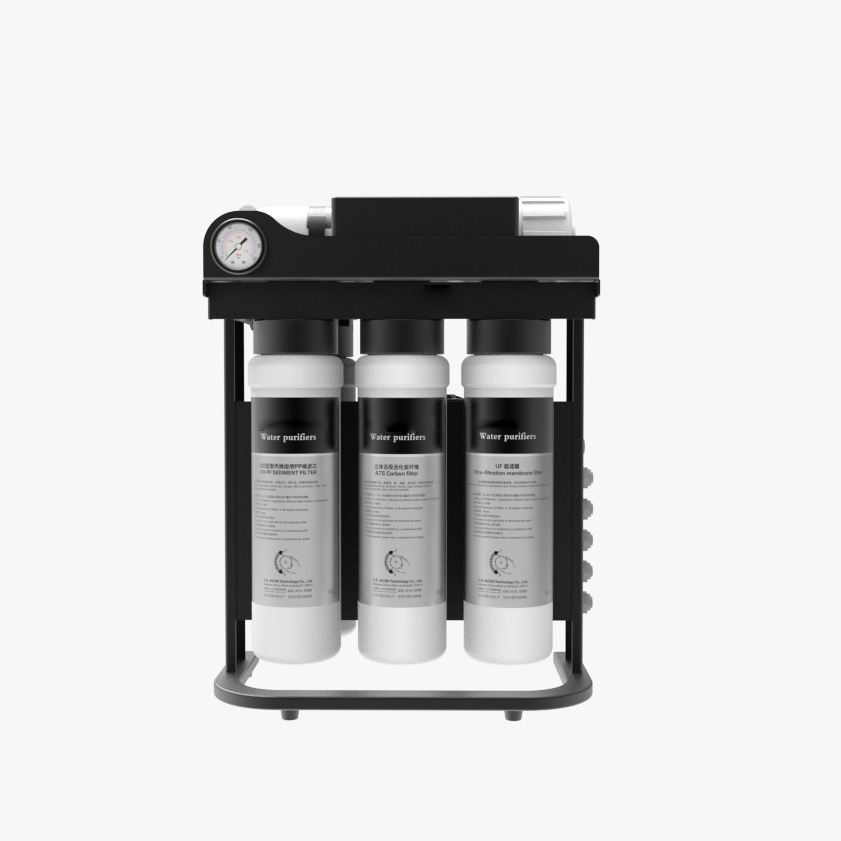
In most professional situations involving residential properties, we strongly advise against complex chemical handling. The modern solution to membrane protection is highly advanced multi-stage physical filtration. We recommend the RO100 Under Sink Reverse Osmosis System Dual Outlet Low Waste.
This unit perfectly replaces the need for hazardous chemicals by utilizing a precisely engineered 5-stage filtration process. It protects its own 0.0001 μm membrane from chlorine and scale using high-capacity physical pre-filters. Operating at an efficient 1–1.5 L/min flow rate with a highly competitive 1.5:1 wastewater ratio, it delivers 1,060 gallons (4,000L) of ultra-pure water safely via a DC 24V pump, handling inlet water temperatures of 5°C – 45°C. When it is time for maintenance, there is no mixing of caustic acids; you simply swap out the Replacement Filters.
Essential Reference Tables
Quick Summary Table: Chemical Functions
| Chemical Type | Primary Function | Application Phase | Danger Level |
|---|---|---|---|
| Antiscalant | Prevents mineral crystallization | Continuous Injection (Pre-treatment) | Low |
| SMBS | Neutralizes chlorine/chloramines | Continuous Injection (Pre-treatment) | Medium |
| Non-Oxidizing Biocide | Kills bacteria without oxidation | Intermittent Injection | High |
| Alkaline CIP | Dissolves organic fouling | Reactive Maintenance | High (Corrosive) |
| Acidic CIP | Dissolves mineral scale | Reactive Maintenance | High (Corrosive) |
Pros and Cons Table: Chemical Dosing vs. Physical Pre-filtration
| Method | Pros | Cons |
|---|---|---|
| Chemical Dosing (Industrial) | Low pressure drop, highly scalable for massive flow rates, precise control. | Requires hazardous material handling, constant monitoring, dosing pump maintenance. |
| Physical Pre-filtration (Residential) | 100% safe, easy DIY maintenance, no toxic materials, predictable costs. | Filters must be replaced frequently, high pressure drop, unsuited for municipal scale. |
Comparison Table: Handling RO Contaminants
| Contaminant | Industrial Chemical Solution | Residential Physical Solution |
|---|---|---|
| Chlorine | Sodium Metabisulfite (SMBS) | Extruded Carbon Block Filter |
| Hard Minerals (Calcium) | Polyacrylate Antiscalant | Water Softener or Sediment Filter |
| Microplastics | Coagulants / Flocculants | Read: Best Water Filter for Microplastics |
| Biological Slime | DBNPA Biocides | UV Light Purifiers |
Common Dosing Mistakes
From our experience auditing commercial water treatment facilities, the most catastrophic mistake operators make is mixing incompatible chemicals. For example, injecting an acidic antiscalant too close to an alkaline chlorine neutralizer can cause the chemicals to react and precipitate out of solution, blinding the membrane instantly.
Another frequent error is failing to perform a complete water analysis before selecting an antiscalant. Not all scale is the same. An antiscalant formulated for calcium carbonate will be completely useless if your primary foulant is silica or barium. Always rely on projection software provided by the chemical manufacturer to dictate your exact dosing rate.
Buying Considerations
When sourcing the best reverse osmosis chemicals, commercial buyers must prioritize technical support over the lowest price per gallon. Buying generic, unbranded chemicals often leads to varied concentrations batch-to-batch, throwing off your dosing pumps. Look for chemical suppliers that offer proprietary projection software and free water analysis. Ensure all chemicals are NSF/ANSI 60 certified if the resulting permeate will be used for human consumption.
Buying Guide Table: Commercial Procurement
| Factor | What to Look For | Why It Matters |
|---|---|---|
| Certifications | NSF/ANSI Standard 60 | Legally required for treating drinking water. |
| Concentration | Super-concentrates vs. Pre-mixed | Concentrates save massively on shipping costs but require accurate dilution on-site. |
| Software Support | Provided projection modeling | Removes guesswork from dosing calculations based on your specific feed water. |
Expert Recommendation
In the industrial sector, we recommend standardizing your chemical portfolio with a single, reputable manufacturer to ensure chemical compatibility across your antiscalants, biocides, and CIP cleaners. Mixing brands can lead to unforeseen reactions inside the pressure vessels.
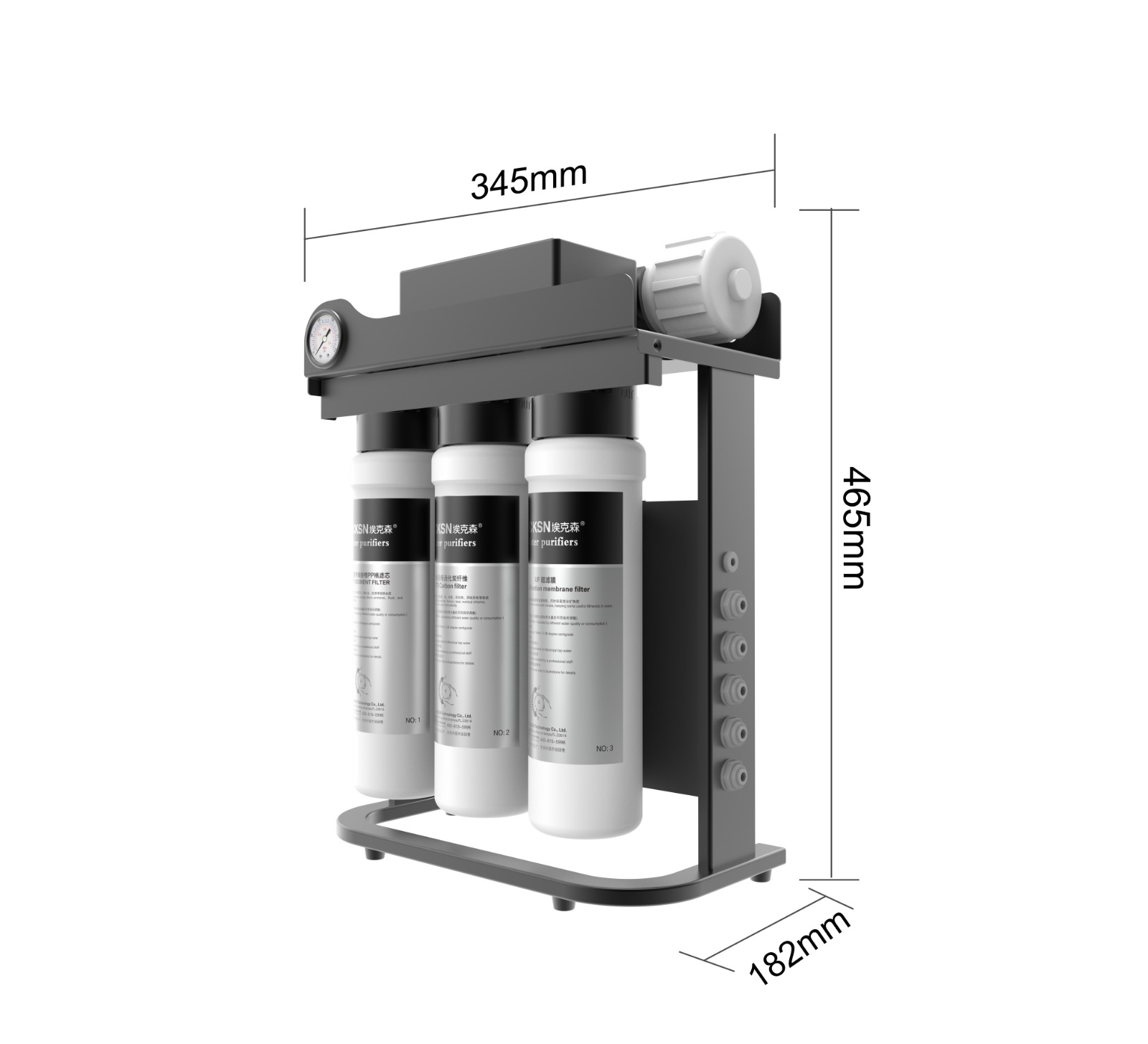
However, for the vast majority of consumers reading this guide looking to improve their home water quality, our professional mandate is clear: do not buy chemicals. Invest in highly engineered physical filtration. To understand the profound differences in these approaches, review our breakdown on RO Water vs Tap Water. For those seeking off-grid solutions where traditional plumbing is unavailable, an Atmospheric Water Generator bypasses these complex filtration and chemical dosing requirements entirely by pulling pure moisture directly from the air.
The Bottom Line
Is investing in premium reverse osmosis chemicals worth it? For commercial and industrial facilities, it is an absolute necessity. Precise chemical dosing is the only scientifically viable method to protect thin-film composite membranes from rapid degradation due to scaling and chlorine attack. However, for residential users, the concept of RO chemicals is obsolete. The smartest buying decision a homeowner can make is to rely on an NSF Certified Reverse Osmosis System that utilizes advanced multi-stage physical filters to protect the membrane, ensuring safe, pure drinking water without the risks of industrial chemical management. If you want to ensure your water has healthy minerals after filtration, consider upgrading to an Under Sink Reverse Osmosis System with Remineralization, which safely adds back calcium and magnesium using natural stone filters rather than liquid chemicals.
Frequently Asked Questions
No. Home reverse osmosis systems, like the Puflow RO100, do not require chemical dosing. They rely on replaceable physical filters, such as carbon blocks and sediment spun filters, to protect the delicate RO membrane from chlorine and hard water minerals. If you travel, you can even use Best Portable Water Filters for Travel that operate strictly on physical exclusion principles.
If you fail to inject antiscalant in a commercial system, minerals like calcium carbonate and silica will quickly crystallize on the surface of the membrane. This creates a concrete-like scale that blocks water flow, causes system pressure to spike to dangerous levels, and eventually ruins the membrane permanently, requiring tens of thousands of dollars in replacement costs.
For industrial systems, membranes are cleaned in place (CIP) using a two-step chemical process: first, a high pH alkaline cleaner is circulated to remove organic slime and oils, followed by a low pH acidic cleaner to dissolve mineral scale. For home systems, the membrane is not cleaned; it is simply replaced every 12 to 24 months depending on usage and feed water quality.
References
To ensure our operational advice meets the highest standards of safety and efficacy, we reference guidelines established by authoritative water treatment organizations: